
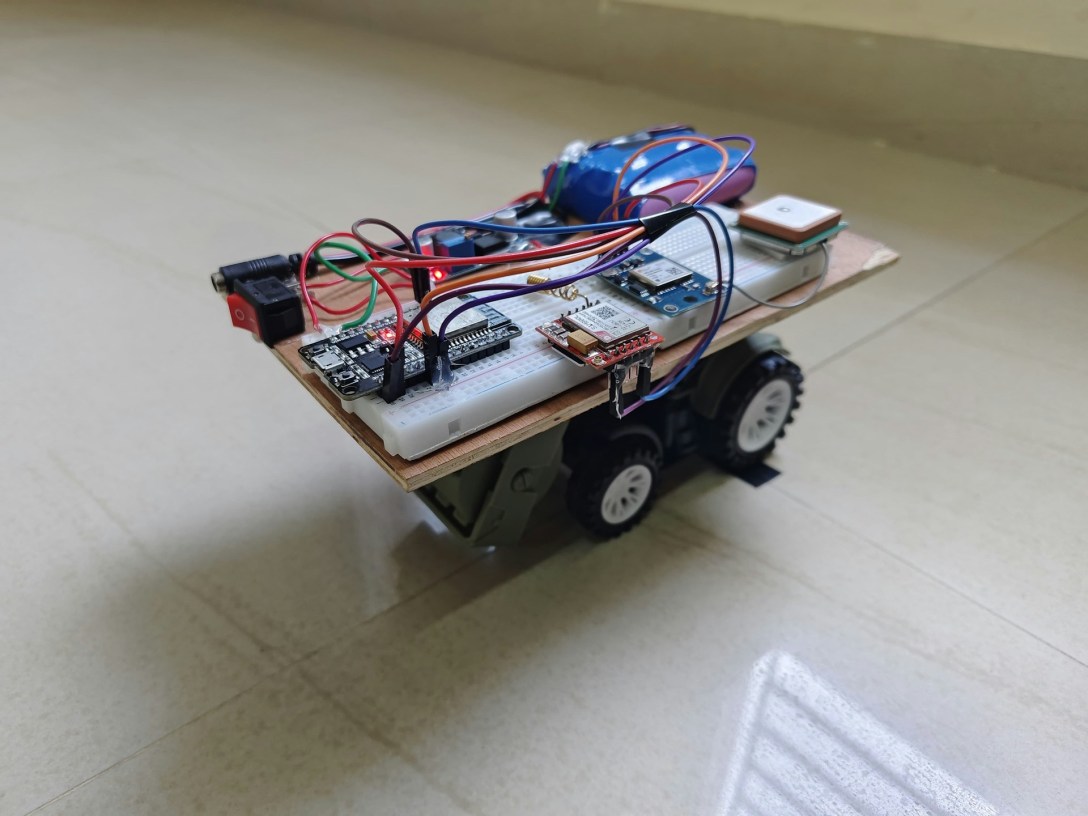
After-school robotics is becoming a favorite way for kids to learn, build, and have fun all at once. It’s a great mix of teamwork, creativity, and technology. Whether students are programming a line-following robot or building something that picks up tiny objects, these projects give them a real chance to figure things out for themselves. But to get robots moving and sensors reading properly, one part has to work quietly in the background—consistent power.
That’s where a tool like an 8 AA battery holder comes in. A simple battery box might not seem like the most exciting part of the build, but it plays a big role in how smoothly things run. It keeps power steady and safe, especially as projects start to grow from small circuits to more complicated machines. For students learning hands-on, that stability makes everything else feel more doable.
Why After-School Robotics Needs Organized Power
Most robotics projects involve more than just a switch and a light. Even the simplest design might include motors, wheels, sensors, and a control board. All of those parts need a regular, clean source of power to work the right way. Using an organized setup—like packing batteries into a proper holder—keeps things from going off track before the experiments even begin.
Loose batteries or random wires can lead to sudden shutdowns, flickers, and confusion during testing. That’s not always just frustrating—it can also slow down the learning process. An 8 AA battery pack offers enough strength to support larger builds without needing wires going to the wall or bigger, more advanced power supplies.
It means kids and instructors can set up anywhere without needing to find a plug or a power strip. That flexibility helps robotics work well in school gyms, libraries, community centers, or even around a kitchen table at home. Kids arrive ready to learn, and the gear is ready to go.
What an 8 AA Battery Holder Really Does
So, what does an 8 AA battery holder actually do? In simple terms, it lines up eight AA batteries in a safe way that connects their power into one steady supply. That supply usually adds up to about 12 volts, which is enough to drive small motors and microcontrollers without pushing them too hard.
Instead of batteries sliding around the table or getting wrapped in tape, they stay in place inside a plastic or metal holder. This makes it much easier to connect the battery pack to the main circuit. Some holders even include switches or built-in wires to make connections simpler.
If, for example, a group of students is working on a robot that rolls across the floor and follows a black line, they’ll likely have a small motor, a sensor, and some kind of brain like an Arduino. The battery holder gives all those pieces the steady source of energy they need to function together without interruptions.
Maha Energy provides battery holders designed with secure contacts and durable construction to prevent loose connections, which is especially important in group environments or mobile projects.
That turns the build from a one-time success into something that can be tested, changed, and tried again—and that repeat process is key to learning how robotics works.
Helping Students Learn Through Predictable Results
One of the things that makes robotics exciting is that kids get to test their ideas and instantly see what worked. But when the power supply is shaky or the wires fall out mid-test, those results stop being helpful. Kids end up troubleshooting power instead of focusing on why their robot turned left when it should’ve gone right.
Battery holders like the 8 AA version help avoid those headaches. By keeping batteries in place and feeding power to the same wires every time, they bring consistency to the experiment. When the power stays the same across each trial, changes in behavior come from the robot’s parts or the code—not a wiggly wire or a drained battery.
This makes it way easier to learn from mistakes and celebrate wins. Even better, when power isn’t a problem, students start thinking ahead. What happens if they try a faster motor? Could they adjust the robot’s code to make it stop before hitting an object? That kind of thinking is easier when the setup works the way it’s supposed to.
Safer, Cleaner Builds for Group Lessons
Robotics clubs usually mean shared gear and tight tables. That makes safety and neatness a big deal, especially in classrooms where kids of all ages are working close together. A loose wire or a slipping battery can break a circuit or throw off a build without warning.
With battery holders, everything’s kept in one place. Setup and cleanup are faster and safer. Wires aren’t pulled across the table, and parts stay grouped together in easy-to-carry kits. When teams work together on one robot, the battery holder keeps power organized so no one has to untangle cords while the others are coding.
Another plus is that battery boxes make it clear who’s responsible for what. When each kit has its own power supply, groups can test and tweak at their own pace instead of waiting to swap batteries or tools. Less mix-up means more prep time turns into actual build time, and that makes a big difference during club meetings that only last an hour or two.
Maha Energy’s battery holders support safe installation and easy replacement, so students and teachers can change batteries or switch projects quickly without confusion.
Why Fall Is a Good Time to Start Exploring Robotics
With fall routines falling into place and school schedules running smoothly, after-school activities can really take root. Cooler weather and earlier sunsets make indoor projects like robotics extra appealing. Kids are usually ready to start something new, especially if it’s hands-on and different from regular classwork.
The timing is great for projects that last more than one day. A good battery setup using holders gives students the freedom to save their builds and pick up again next time without starting over from scratch. Since the systems don’t need wall plugs, everything can be left in bins and pulled out again when it’s time to meet.
Over time, club members start building bigger, smarter robots. They work on obstacle courses, add sensors, or play with light and sound. Good power keeps up with all those additions. It gives them the space to grow their ideas, making fall clubs a lot more than just an intro—they become a base for real skills that carry into winter projects and beyond.
Power That Lets Kids Focus on the Build
Every robotics project has a list of little puzzles to solve. When power isn’t one of them, the rest of the work gets a lot more rewarding. A tool like an 8 AA battery holder solves the quiet problem no one thinks about until something breaks or shuts off. By keeping energy flowing safely and steadily, it gives builders the chance to focus on what matters: the design, the goal, and the plan to make both work.
When students get to build without distraction, they grow their confidence along with their skills. They aren’t scared to try something new or test what happens when they make a change. Instead of dealing with shaky parts or weak batteries, they can concentrate on getting their ideas off the page and into motion. That’s how real learning happens—one clean connection at a time.
At Maha Energy, we know how much smoother projects can run with the right tools behind the scenes. Whether you’re building classroom kits, organizing club projects, or working on weekend experiments, something as simple as an 8 AA battery holder can help keep everything connected and running from the first test to the last adjustment.
 blog.mahaenergy.com