
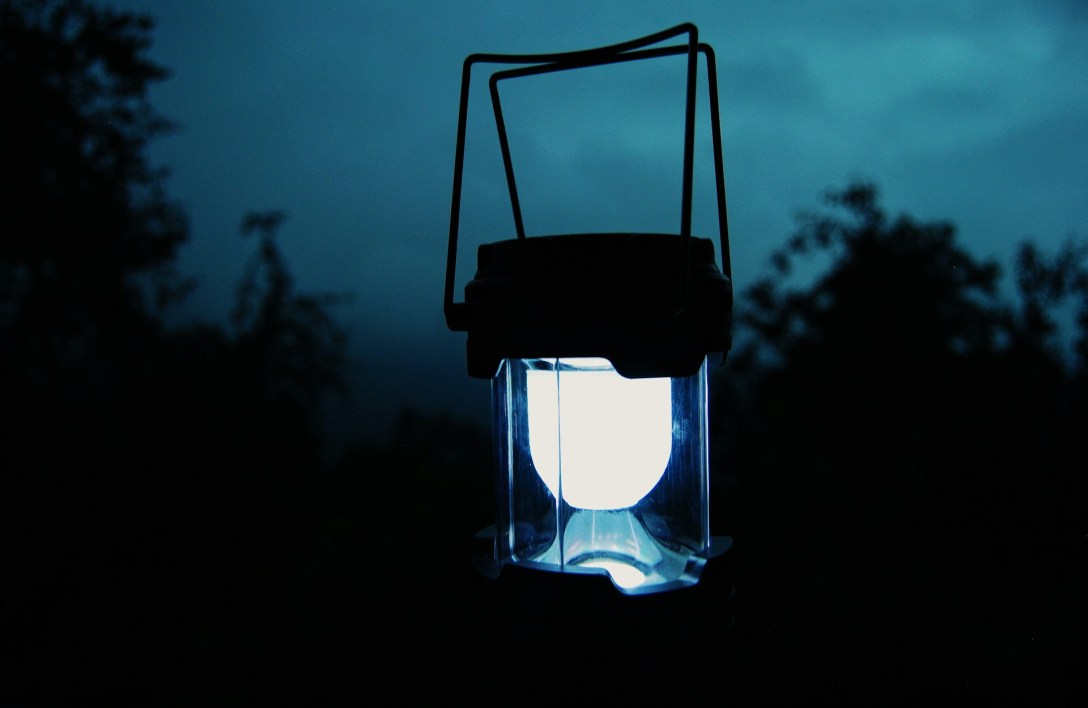
Once fall settles in and the evenings stretch out longer, our habits often turn more outdoorsy. This is when a rechargeable LED lantern becomes a staple for backyard gatherings, camping trips, or just emergency kits tucked away in the garage. LED lights feel like a modern upgrade—bright, efficient, and quick to charge. But even with all that, some lanterns seem to lose power faster than expected as temperatures drop.
It can be a hassle when your lantern dims during a camping dinner or a backyard hangout runs out of light too soon. We trust in efficiency, yet outside conditions play a bigger role than most people think. A few main reasons explain why a rechargeable LED lantern might not last as long outdoors as it does inside, and they’re tied to where you use it, how you store it, and how old the battery is.
Cold Weather Slows Down Battery Performance
Cooler temperatures are a top reason why batteries drain faster outside. Most rechargeable cells work best around room temperature, and their energy output drops in chilly air. A lantern that lights up a living room for five hours might last only three on a crisp fall night outdoors.
This is especially clear during overnight use in tents or sheds. Even with a fresh charge, a lantern can run dim much sooner if the weather is cold. Charging a cold battery before it returns to a moderate temperature can also make the battery wear out more quickly or fail to take a full charge. Warming the battery to room temp before charging is key, but it’s not the first thing on most people’s minds during cold weather.
If your lantern fades before you expect it, there’s a good chance the air temperature is working against it, not just the battery’s age.
Higher Brightness Mixed with Long Use
Today’s lanterns usually come with several brightness options, but most will keep the light cranked to the max for convenience. High is handy, but it quickly drinks up battery life—especially when the light stays on all evening or overnight. Extended use at full brightness keeps batteries active and shortens usable time even if you start with a complete charge.
Dropping the light to a lower setting or using blink or fade modes allows for longer runtimes. Some rechargeable LED lanterns offer gradual dimming or brightness settings that keep you visible without draining batteries as quickly. That means a single charge lasts for the full length of your activities, not just the start.
On long nights, adjusting your routine by dialing back the output can pay off by keeping your space lit until you pack up.
Incomplete Charging Before Use
A lantern that seems low on power can often be traced back to the last charge. If batteries are removed from the charger a little early or quick charge options are used for convenience, the battery is probably not at full strength. This shortens usable time and may contribute to quicker battery decline with repeated fast charging.
Lanterns with less accurate charging indicators can be confusing. A blinking light, for example, could mean anything from charging to error or even standby mode, depending on the model. It is always best to allow a battery to remain on the charger a bit longer, especially after many cycles or periods of non-use.
Long-term strength also depends on healthy charging habits. Chargers designed for reliable top-off—like Maha Energy’s Powerex models with precision sensor controls—help ensure you get the most out of every full charge, especially if the LED lantern gets heavy use during the season.
Battery Age and Storage Habits
Even high-quality rechargeable batteries lose their original strength over time. Each cycle of use and recharge shortens their peak capacity, starting slow but speeding up as the years pass. A lantern that used to last all night but now falls short by midnight likely has an aging battery.
Storage also plays a big role. Keeping a lantern in a hot car or cold garage speeds up this natural decline. Leaving batteries uncharged for weeks at a time makes them prone to deeper discharge, which can make capacity vanish in the background. Maha Energy’s low self-discharge batteries are built to retain more charge while stored, helping keep rechargeable LED lanterns more reliable through the year.
It is easy to overlook batteries between uses, but a routine of storing them at a mild temperature and topping up the charge every few weeks can make a big difference for next season’s performance.
Output Settings That Use Extra Power
Modern lanterns come with lots of extra features. Things like motion sensors, red night lights, USB ports, or Bluetooth. Every extra draws power from the battery, sometimes in the background. Even when the main light is technically off, features might continue to pull energy.
For anyone using the lantern often or leaving it in standby mode, these quiet drains add up. It is easy to forget a sensor or LED color light switched on, but it makes a real difference in battery life. Turning off extras when not needed keeps battery use focused right where you want it.
Periodic checks before you head outside, or changing default settings, can stretch a single charge much further.
Keep Your Lantern Going Through Fall and Beyond
Rechargeable LED lanterns are a great fit for outdoor lighting but will always behave differently in real conditions versus lab tests or short indoor use. Longer nights, cold air, and extra features all join in to drain power faster than you might expect. That does not mean your equipment is failing—it just means a little attention to charging habits, brightness settings, and storage can take you further.
Take stock of how your rechargeable LED lantern acts on cool nights and after longer runs. Small changes in how you prepare, store, and charge your gear keep the light bright and reliable for any fall evening or overnight adventure ahead.
Shorter runtimes or uneven charging can point to worn-out or mismatched batteries in your rechargeable LED lantern. At Maha Energy, we’ve seen how colder months and frequent use can take a toll, especially when lights are needed most. Keeping the right batteries on hand means one less thing to worry about when the evening runs long or the power goes out.
 blog.mahaenergy.com