
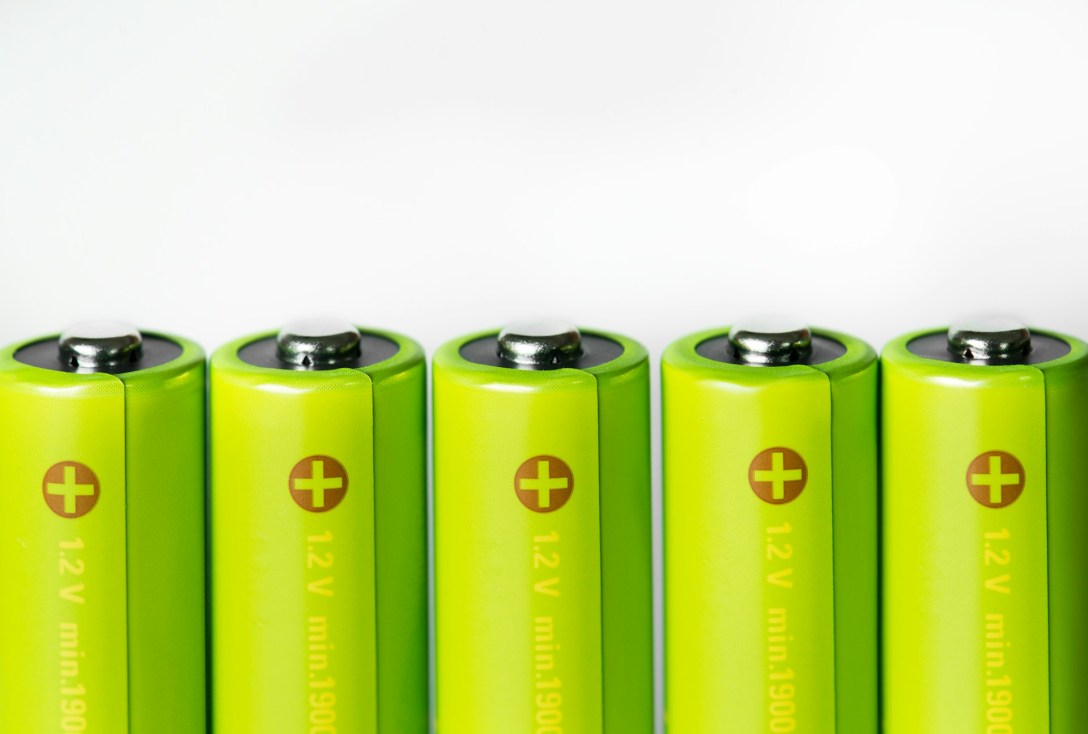
Battery issues don’t always show up right away. One moment a device seems fine, and the next, it’s shutting off too early or asking for another recharge. It feels random and frustrating, especially when you only just charged the batteries.
Most of the time, these sudden drop-offs are not random at all. They often signal deeper issues with the battery’s health, like low capacity or internal cell wear. A quick test with a battery tester charger gives you more information than a standard charge indicator. It can show what’s happening inside the battery that you cannot see from the outside. That insight is valuable—it saves time, preserves devices, and helps you prevent surprise shutdowns, particularly as winter cold brings out hidden battery problems.
What Sudden Battery Drop-Off Really Means
When your battery drops off suddenly, it usually points to a change inside the cell. Maybe a battery that used to last for days now crashes by lunchtime, or a flashlight that dims much faster than expected. The most common signs are early shut-offs, constant need to recharge, or gear that seemed fine one day but falters the next.
It can be easy to blame the device, especially when batteries appear fully charged. The real issue is often declining battery strength or damage that you cannot spot without testing. As batteries age, or if they are stressed by repeated charges and discharges, their capacity drops off faster under load. This is even more noticeable when winter comes. Cold weather slows the chemical reactions inside, so a weak battery gets dragged down much sooner outdoors.
Older electronics can be less forgiving too. Many older devices are not designed for today’s rechargeable battery chemistries, so any small dip in power can lead to much quicker failures. If you notice your emergency lights, outdoor remote sensors, or old tools dropping off as the nights get colder, testing the battery is a good first step to sort things out.
How a Battery Test Can Catch the Problem Early
Plugging batteries into a tester charger does more than top them up. These tools do a health check, measuring not just whether a battery is full, but how well it performs under use and after a charge. For example, Maha Energy offers tester chargers like the Powerex MH-C9000PRO that check true capacity and internal resistance, which helps spot a battery losing its edge.
A tester can quickly flag a problem battery even if it seems fine on the surface. It might show certain cells are not holding a full charge, or highlight batteries weakened by repeated overcharging or deep drains. Even when voltage looks normal, low capacity readings reveal it is time for a replacement. That step takes the guesswork out of battery problems, showing clearly whether you’re dealing with a device issue or a battery past its best days.
Testing your batteries also helps track long-term changes. A drop in tested capacity over a few months tells you to rotate batteries before trouble strikes, making it simple to prevent bigger disruptions at work or home.
What to Watch for During Winter Use
Cold winter days change more about your batteries than you might expect. A steady drop in temperature pulls energy out of cells, causing voltage to dip and run times to get noticeably shorter. This can happen even with new batteries—cold air makes the chemistry inside less efficient and slows the reactions that deliver power.
Devices that matter during the colder months—like garage door openers, battery-powered lamps in the car, or portable heaters—are hit hardest. Leaving batteries in unheated areas like garages or sheds makes it worse. If you notice sudden power drops in these setups after a cold snap, chances are it’s temperature at play.
Indoor gear is not immune, either. Any device that gets used on chilly windowsills or beside cold doors can drain quicker than normal. Regular battery testing as winter approaches lets you swap out weak cells and spot problems early. Moving spare batteries indoors and charging them at room temperature can keep performance steadier no matter what tasks come up during the season.
When Charging Isn’t Enough
While charging is needed to refill your batteries, it cannot check their true health. Chargers only tell you when a battery is full—not how well it will hold or deliver power once unplugged. This means a battery might leave the charger showing full, but still die out quickly or fade when placed under a heavier load.
A tester charger lets you dig deeper. It can run refresh cycles, check internal resistance, and show true remaining capacity. Maha Energy’s advanced chargers with diagnostic modes make it easy to see if you have a bad battery or just need a better charging routine.
Pairing battery testing with thoughtful charging is the best way to avoid mystery shutdowns. Regular tests show when to reorder batteries, monitor trends, and help you use each one to its full potential.
Power That Stays Consistent All Season
Batteries might seem unpredictable, but a little testing goes a long way toward preventing surprise failures. Sudden power drops can almost always be traced back to something a tester would have caught ahead of time—whether it’s lost capacity from age, cold exposure, or repeat stress.
A quick check with a battery tester charger gives you more control and confidence, keeping everything powered through the long winter nights. Thinking beyond charging and making battery health part of your routine means more reliable gear and fewer interruptions, no matter what season you are in.
See what steady performance looks like with a tool that does more than just charge—our chargers double as a battery tester charger to help you track battery health with ease. At Maha Energy, we keep your gear ready for the cold by building dependable solutions that work when you need them most.
 blog.mahaenergy.com