
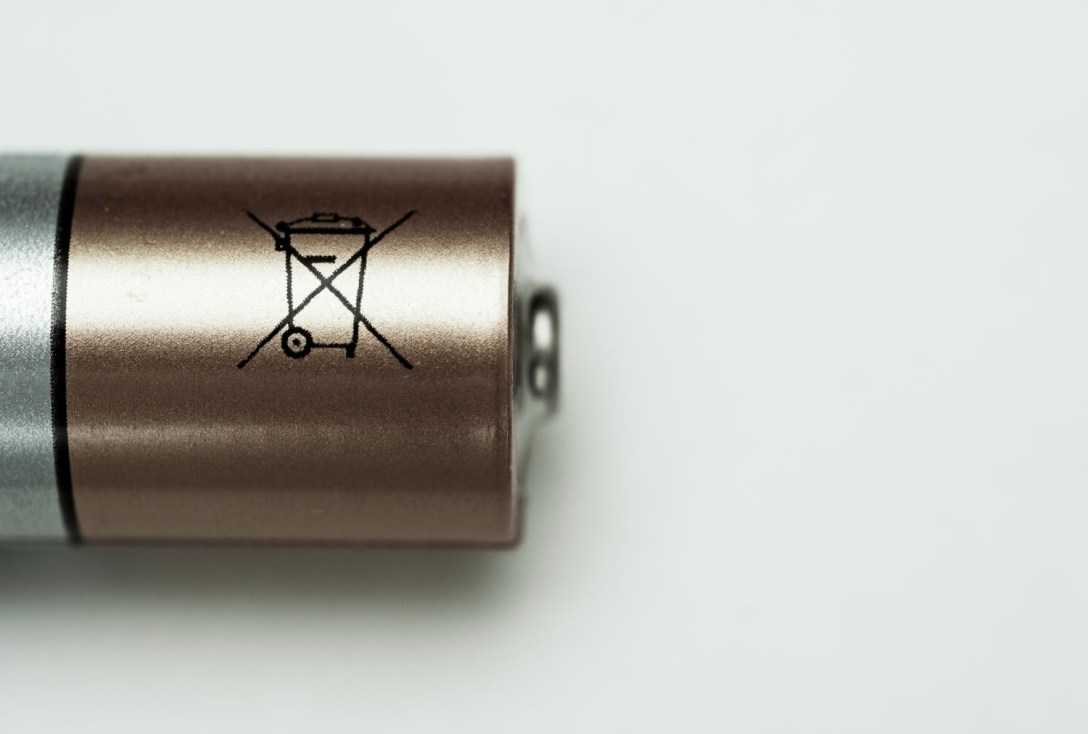
Some things in the house barely get touched until we really need them. Backup flashlights, lanterns for emergencies, weather radios, or battery-powered clocks mostly sit quietly on a shelf or tucked into a drawer. Then one day, when we need them most, they do not work. More often than not, the reason is a drained battery or hidden corrosion caused by the wrong kind of power. The less a device is used, the easier it is to forget what’s keeping it going.
Using batteries that match the way a device behaves helps avoid those letdowns. When it comes to things that mostly sit still for long stretches, picking the right battery can make a big difference. That is where something like a rechargeable D battery kit can really help. If a flashlight waits in a closet all winter, it should not need constant battery changes just to be trusted. The same goes for larger devices with big batteries that only get pulled out once or twice a season. Not every battery is up for that kind of task.
Understand How Low-Use Items Work
Low-use items are usually designed to sit idle for most of the year. They only turn on in short bursts or during very specific situations. These might include a stormy night when the power goes out, or a camping trip that uses battery lanterns only a few times. Other examples are motion lights, portable radios, or battery-powered tools that get used once every few months.
What makes these items different is how little energy they use on a daily basis. Many of them stay off for weeks at a time, running only the bare minimum to stay ready. This kind of standby drain does not use much power, but over long stretches, it adds up. The battery inside can quietly lose charge just by sitting there, which catches users off guard.
Traditional batteries start breaking down even without heavy use. If a device only powers on during emergencies or special occasions, the battery inside still needs to stay reliable. But standard disposables are not always built for long shelf storage, and they can become less stable the longer they sit. All of this starts with knowing which items stay off most of the time and which ones get regular use. Once that’s clear, choosing batteries that handle downtime better becomes a lot easier.
The Problem with Single-Use Batteries in Idle Devices
Single-use batteries are still common in things people use once in a while. They are easy to buy, and at first, they seem reliable. But the problem shows up months down the road when the flashlight will not switch on, or that weather radio does not do anything after flipping the power button.
These batteries slowly lose voltage just by being stored inside a device. There is nothing wrong with the gadget itself. It is just that the battery has aged while sitting unused. In colder areas of the home like basements or garages, this aging happens even faster.
In some cases, the battery even leaks. The outer shell breaks down over time, especially in warm weather or when left in the same spot for too long. That leaking acid can damage the inner parts of the flashlight or radio, leaving behind stains or corrosion that can be tough to clean or beyond repair. It is frustrating to grab a tool during a storm only to find it damaged from inside out by a battery that is supposed to be helping.
Keeping rarely used items ready to go means being careful about the kind of battery we leave inside them. If a device spends months in storage, it needs a battery that can sit just as long without going bad.
Why Rechargeables Make More Sense
Rechargeable batteries have come a long way. Older ones used to lose charge quickly, but that is no longer the case. These days, high-quality rechargeables hold energy longer, deliver consistent voltage, and cut down the risks that come from leaks or slow drain.
For backup items stored on a shelf or under the kitchen sink, that reliable flow of energy can make all the difference. A rechargeable D battery kit, for example, works well in larger devices that sit for months until finally needed. Batteries built to be recharged over and over again tend to be more stable while idling. Instead of falling off slowly like single-use batteries do, they stay steady right up to their limit.
Rechargeables also help prevent the slow inside wear that ruins so many old flashlights or emergency tools. Their casing tends to be more sound, and their chemistry more stable during long storage. That means more confidence when reaching for backup items in a time-sensitive moment. It is better to grab something you know will work than keep guessing when a single-use battery might give out. Maha Energy’s Powerex D-cell rechargeables are specifically designed for longevity and consistent shelf performance, even in high-drain or rarely used devices.
How to Match the Right Battery to the Right Device
It is not always obvious what battery fits best, especially for items we do not use every day. But there are a few easy ways to get it right. Start by thinking about how often the device is used. If it comes out regularly, disposables might be okay. But if it stays off for most of the year, then rechargeables often make more sense.
Larger devices like big lanterns or radios use D-size batteries. These are built to handle more power for longer timeframes. That makes them a good match for rechargeables, which do not sag in strength halfway through. If a device pulls a high amount of energy quickly, such as during a sudden startup, it needs a battery that can deliver on that demand without skipping a beat.
When trying to decide, here are a few signs a device is better served by rechargeable batteries:
– It spends most of its time stored for emergencies.
– It uses D-cell batteries or has multiple slots to fill.
– It is needed to work instantly at full strength when powered on.
Choosing batteries based on what a gadget actually does helps keep things working without unpleasant surprises. It is not just about power, it is about timing.
Winter Storage Considerations for Backup Items
As we head into colder months, many backup tools get tucked away into places like garages, sheds, or closets. These spots are out of the way and easy to reach when needed, but they do not always stay warm and dry. During winter, temperature variation can have a real impact on battery life.
Standard batteries get sluggish in the cold. The chemical reactions inside them slow down, and that can mean weaker output or sudden dead zones. In devices that already do not get regular use, this drop in strength might make the device quit without warning.
To help with this, it is better to keep important devices in places where the air stays more stable. Inside cabinets, drawers in the hallway, or on higher shelves off cold floors are all better choices than garages or outdoor sheds. Backup tools should be stored where the battery will not get shocked by temperature swings every time the weather changes.
If a rechargeable D battery kit is part of the home setup going into winter, that extra layer of stability goes a long way. Rechargeable batteries tend to hold up better against seasonal shifts and recover quickly when brought back into a regular-use room.
Keep Tools Ready When You Need Them Most
Backup tools are not something we think about every day. But when something goes wrong, we want them ready to work, no questions, no fuss. That is why pairing the right battery with low-use devices really pays off.
Using steady, long-lasting batteries means backup radios, flashlights, and storm gear stay reliable even after months of sitting still. And when those devices use a rechargeable D battery kit, the chance of them working when needed is much higher. It is one less thing to worry about during uncertain weather or everyday hiccups.
Keeping backup tools steady and ready during downtime starts with a battery setup that won’t let you down. A well-matched rechargeable D battery kit helps keep flashlights, radios, and emergency gear working when it counts. At Maha Energy, we’ve built our products to support the moments when reliable power quietly does its job in the background so you can count on your devices without second-guessing.
 blog.mahaenergy.com