
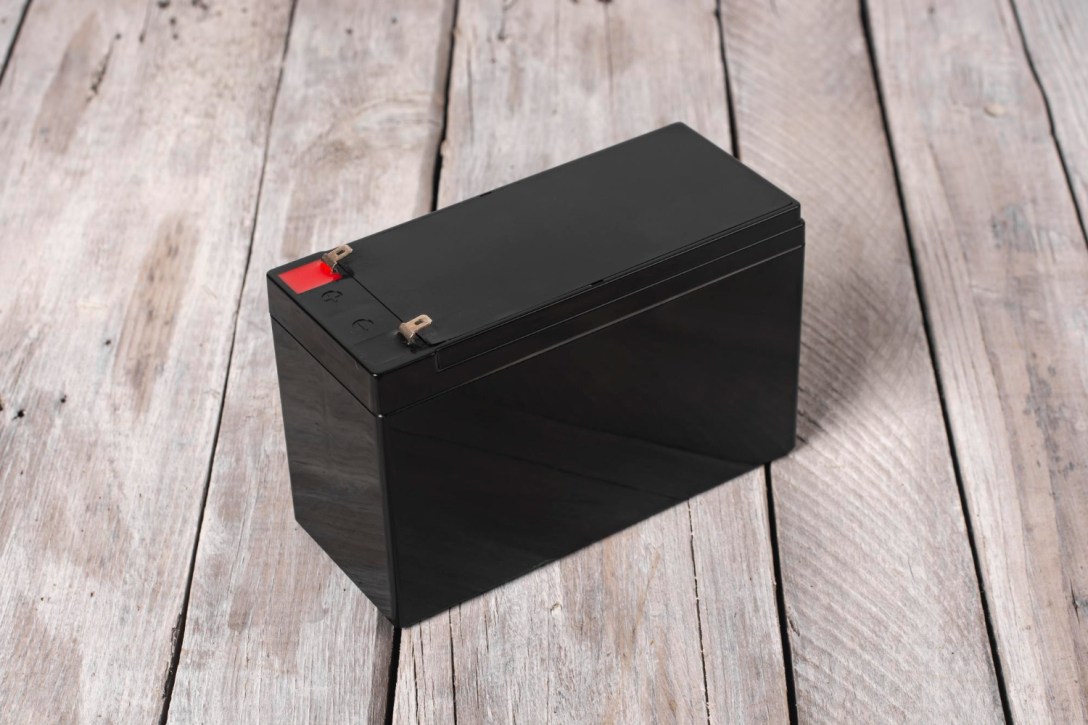
Using 12 volt rechargeable batteries indoors can be a smart and efficient choice, especially when you’re powering equipment for hobby use, home tools, or light-duty projects. But just like with anything electric, safety depends on how we handle them. While these batteries are built to last and perform well, there are still a few simple habits that make a big difference. Knowing how to charge, store, and check them properly can help avoid problems and keep your space safe. Below, we’ll walk through everyday tips to help you get the most out of them without having to think like an engineer.
Understanding the Basics of Indoor Battery Use
Rechargeable batteries come in all shapes and sizes, but not all are meant to handle the same tasks. Unlike the smaller AA or AAA batteries in your TV remote or flashlight, 12 volt rechargeable batteries are made for more power-hungry devices.
• These batteries often run gear like cordless lights, backup systems, or small workshop tools. Because of their higher voltage and output, they need a little more attention when used in indoor spaces.
• Higher capacity means more energy, which sounds great, but it can create risks if they’re used incorrectly, overheated, or physically damaged.
• In smaller or less-ventilated areas, that extra power can produce more heat or stress on connected devices, depending on how the power is pulled.
Understanding the power needs of your tools or projects is important. Using the right battery for the right task helps prevent damage to your equipment and avoids common indoor hazards like overheating or short circuits. Learning about the battery’s capabilities, and the limitations of where you use them, gives peace of mind.
Charging the Right Way
A big part of safe battery use comes down to how we charge them. Not all chargers are built the same, and pairing the wrong one with your 12 volt rechargeable batteries can lead to damaged cells or overheating.
• Choose a charger that’s designed for your battery type. A mismatch in voltage or charge limit can shorten the battery’s life and even create a fire risk.
• Pay attention to charge times. Leaving batteries on the charger too long, especially overnight or unattended, raises the risk of internal heat buildup.
• Always charge in areas with good airflow. Avoid spaces near direct sunlight, moisture, or where flammable materials are stored. A dry shelf in a well-ventilated room works fine, as long as the charger sits flat and steady.
It is helpful to double-check your setup before plugging in. Look for any damage on the battery or charger, and keep the charging area tidy. These small steps make a big difference, reducing the chance of something going wrong.
Taking a few moments to check your charging setup goes a long way toward keeping your space and equipment safe.
Safe Storage at Home or Work
When not in use, batteries deserve a proper place, not tossed in a drawer full of metal tools or stuffed into a box where they can shift around. How and where you store them can affect both their safety and lifespan.
• Store them in cool, dry places, away from moisture and sharp temperature swings. A sealed container works well, especially if you’re keeping several together.
• Make sure the battery terminals don’t touch metal objects, including each other. Separation with non-metal dividers or individual slots can prevent short-circuit risks.
• Never store them near heaters, stoves, or spaces that build up heat. Even when not in use, batteries react to extreme heat and can degrade faster than you’d expect.
It can also be helpful to label battery containers clearly and keep them out of reach of children or pets. Avoid placing heavy objects on top of stored batteries, since pressure can lead to hidden damage or stress. If you notice any batteries collecting dust or getting forgotten for long periods, it’s better to rotate their use or check them to make sure they are still safe.
Placing them mindfully, even for a short period, is one of the easiest ways to reduce risk indoors.
Spotting Warning Signs Before There’s a Problem
Not every battery fails with a big pop or spark. Many signs of stress or wear are subtle and easy to miss unless you know what to look for.
• A battery that feels unusually hot or warm after charging could be overworked or damaged inside, even if the surface looks fine.
• Leaking, swelling, or a strange smell are all clear signs to stop use immediately. Sometimes a bulge is barely noticeable, so it helps to look and feel for changes in shape.
• If a battery has been dropped or smashed, it’s safer to avoid using it, even if it appears okay on the outside. Internal damage can trigger problems later on.
If you ever hear an odd noise from a battery or notice flickering or unusual behavior from powered devices, check the battery and the device’s connections closely. Sometimes, cables or jacks might vibrate loose, and a battery may work harder than usual to keep up. Listen for clicking, popping, or hissing. Trust your senses: if something seems unusual, it’s better to be cautious. Set the battery aside and replace it. Better to avoid taking chances with something that could create a fire or damage your gear.
Best Practices for Reliable Indoor Power
Industry leaders like Maha Energy manufacture batteries that meet global quality standards and are thoroughly tested before reaching customers. Powerex 12 volt rechargeable batteries are engineered for both safety and longevity to handle the demands of frequent indoor charging and use. Many of Maha Energy’s charging solutions offer advanced features, such as thermal protection, to help guard against overheating and battery damage.
By taking the time to match chargers properly, store batteries safely, and keep an eye out for signs of wear, we keep our spaces safer and our batteries working longer. Sticking to a routine for checking and rotating batteries, and paying attention to details like charging location, helps avoid surprises. Reducing clutter and keeping cables and connections neat helps batteries charge and discharge smoothly. It’s also helpful to clean battery terminals gently if they begin collecting dust, so connections remain strong.
Whether you’re working on a weekend project, lighting up a shed, or just keeping tools ready to go, reliable battery use starts with simple habits we can all follow. Adequate ventilation, keeping devices dry, and storing batteries with care can add up to a safer, more dependable work or living space. When more power is needed for special devices or longer projects, these smart routines help avoid setbacks and protect valuable equipment.
At Maha Energy, we understand how important safety is when using batteries indoors, especially when more power is involved. Working in small or unventilated spaces or frequently charging your equipment means your setup should always feature the best components available. Our collection of 12 volt rechargeable batteries is engineered for reliable indoor use with the trusted durability you need. From lighting your workspace to providing dependable power for your weekend projects, starting with premium quality makes all the difference. For help selecting the right battery or charger, reach out to us anytime.
 blog.mahaenergy.com