
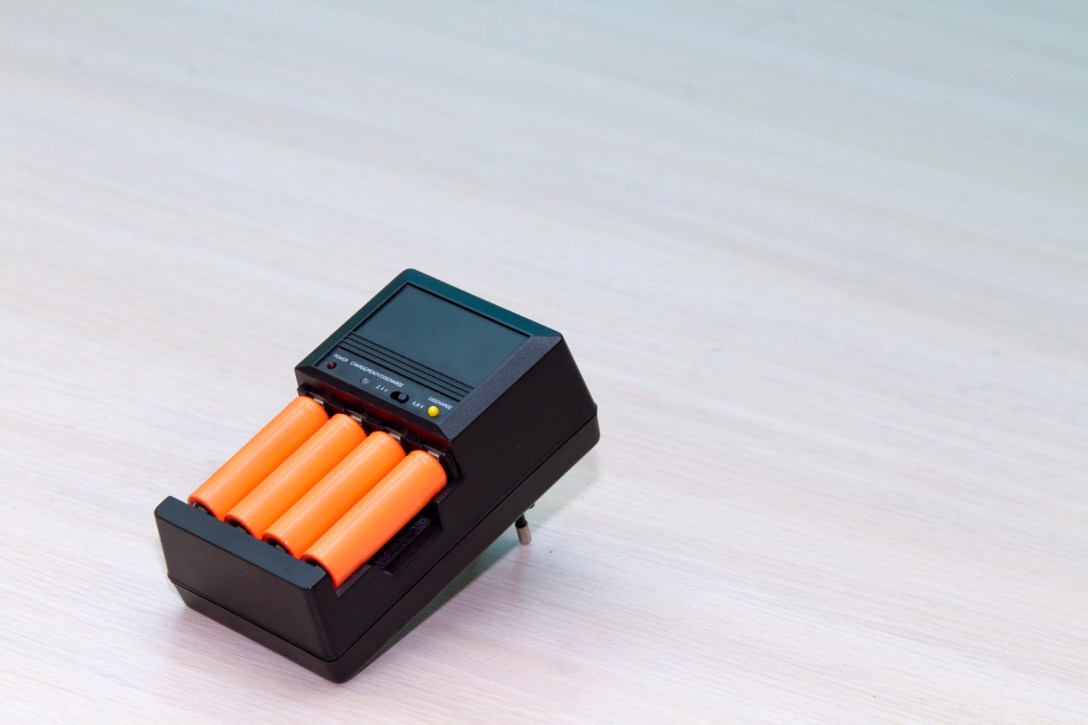
Finding the right battery charger isn’t always as simple as it sounds. A plug might fit, a unit might light up, and everything may seem like it’s working, but that doesn’t always mean your battery is being charged the way it should be. This can be especially true when you’re using specialty battery packs like those rated at 9.6 volts.
A 9.6 V battery charger is often used for things like cordless tools, RC vehicles, and some older gear. But if the charger doesn’t match the battery’s needs exactly, it can quietly cause performance issues or even damage the battery over time. In some cases, we don’t notice anything is wrong until there’s a delay, a failure, or something smells a bit off. That’s why it helps to spot these subtle signs early. Here’s what you should watch out for if your charger might be the wrong fit.
The Charger Gets Hot or Smells Weird
One of the most noticeable signs something is off is heat. A charger that runs hotter than usual, or gives off a burning or plastic-like smell, usually means it’s working harder than it should. That kind of stress often comes from mismatched voltage or chemistry support.
Just because the plug fits the battery doesn’t mean the charger is the right one. When a charger isn’t designed for the battery it’s powering, it can struggle to regulate output. That strain gets released as heat, and over time, it can weaken both the charger and the battery, or worse, become a safety hazard.
• If you notice warmth during short charging times, that’s a red flag.
• A sharp or chemical smell often happens before parts begin to degrade.
• Hot chargers in colder months may be easier to spot since the contrast in temperature stands out more clearly.
Paying attention to how the charger feels and smells can go a long way in catching problems early.
The Batteries Always Die Too Soon
When batteries seem to quit earlier than expected, our first guess might be that they’re getting old or just not holding a charge anymore. But quite often, the trouble begins with the charger. A bad charger can cut short a full cycle, either by undercharging or overheating the battery, which makes it drop out faster in use.
This issue can sneak up during colder times of the year, like February, when batteries already fight to maintain performance. Cold temps tend to slow battery reactions, so if the charger isn’t filling the pack properly to begin with, the dip in runtime becomes even more noticeable.
• A fully charged battery shouldn’t lose power minutes into use unless something else is wrong.
• Quick drain right after charging often means the pack didn’t reach full capacity.
• If every cycle ends in disappointment, it’s time to look at the charger, not just the battery.
We’ve seen many cases where a simple charger swap brought dead batteries back to life, or at least made them last a lot longer.
It Charges Slower (or Faster) Than Expected
Charging time varies based on battery type, age, and charge level, but sudden changes in speed could mean something’s off. A charger that runs too fast may be pushing higher amps than the battery can safely take. One that takes too long may not be giving the battery enough juice to begin with.
Either case spells trouble. A fast charge may sound helpful, but for battery packs not built to handle it, overcharging can damage internal cells and shorten overall life. Chargers that plug along at a crawl might seem harmless, but they could be failing to deliver steady or sufficient current.
• A battery that used to charge in an hour taking three may point to a mismatch in output specs.
• Too-fast charging could make batteries warm to the touch even while still on the dock.
• Keep an eye on patterns, if something feels off, it usually is.
Charging consistency is a good sign that you’re using compatible gear. When the timing gets weird, your charger might not be a match.
The Charger Doesn’t Match Battery Type
Not all 9.6 V battery packs are the same. Some are nickel-metal hydride (NiMH), while others might be nickel-cadmium (NiCd). These types behave differently and need different charging curves, so using the wrong charger can lead to bad charges or even damage.
It’s easy to assume that because the voltage matches, the charger should work. But chemistry matters just as much. A NiCd charger used on a NiMH pack might either overcharge or fail to charge fully. Older or off-brand battery labels can sometimes make things harder to read, which leads some people to take a guess, and that guess can cost performance.
• Always check if your charger lists what battery type it’s meant to handle.
• If you’re using older gear with faded labels, try to confirm chemistry before pairing it with a charger.
• Even if it seems to work, using the wrong match often causes long-term trouble.
Battery type is more than a detail, it’s what the charger bases its entire process on.
The Lights or Indicators Don’t Behave Normally
Most chargers give some sort of visual feedback, a light, a blink pattern, or a small display panel. When those signals stop making sense, it could mean the charger doesn’t understand the battery it’s connected to. Sometimes, you might see a blinking red light that never turns green. Other times, the light might skip to “done” far too soon.
It’s easy to write off strange behavior like that as a glitch or a harmless quirk. But in our experience, it usually means the charger can’t accurately read the charge level or connect with the pack fully. That almost always comes back to compatibility problems.
• A constant blinking or flashing signal is often a warning, not just noise.
• If lights behave differently with each battery, the charger could be misreading them.
• A good charger should have predictable indicators. When it doesn’t, something’s likely off.
Trust the signs your equipment is giving you. They help you catch mismatches before they turn into bigger issues.
How Compatibility Impacts Performance and Safety
At Maha Energy, we’ve designed our Powerex battery chargers to automatically detect battery chemistry and voltage, protecting your equipment from incorrect pairing. Many of our 9.6 V battery charger models feature smart charging technology, optimized charging speeds, and built-in safety circuits to prevent overcharging and overheating. Our chargers have been trusted by hobbyists and professionals for decades, one of the many reasons customers around the world turn to us for dependable charging solutions.
Each of these red flags, heat, fast battery drain, slow or too-fast charging, battery type mismatches, and weird indicator lights, can show up together or individually. Any one of them may seem small on its own, but over time, they add up. In many cases, swapping in the right 9.6 V battery charger fixes problems users didn’t even know they had.
Using a charger that truly suits your battery pack can help extend its life, improve performance, and reduce unexpected failures. Equipment lasts longer, works better, and stays safer when the power source behind it is reliable and properly matched. So if things have felt “off” lately, your charger might be the first place to check. Paying attention upfront can help you avoid delays, wasted gear, and replace-at-the-worst-time surprises.
Noticing issues like weak performance or unusual indicator lights could mean your charging setup needs an update. Using the wrong charger may lead to problems that affect your equipment’s longevity and reliability. We offer options suited to a range of needs, including a dependable 9.6 V battery charger. At Maha Energy, our charging solutions help your gear last and perform at its best. Have questions about compatibility? Reach out and let us help you choose the right fit.
 blog.mahaenergy.com