
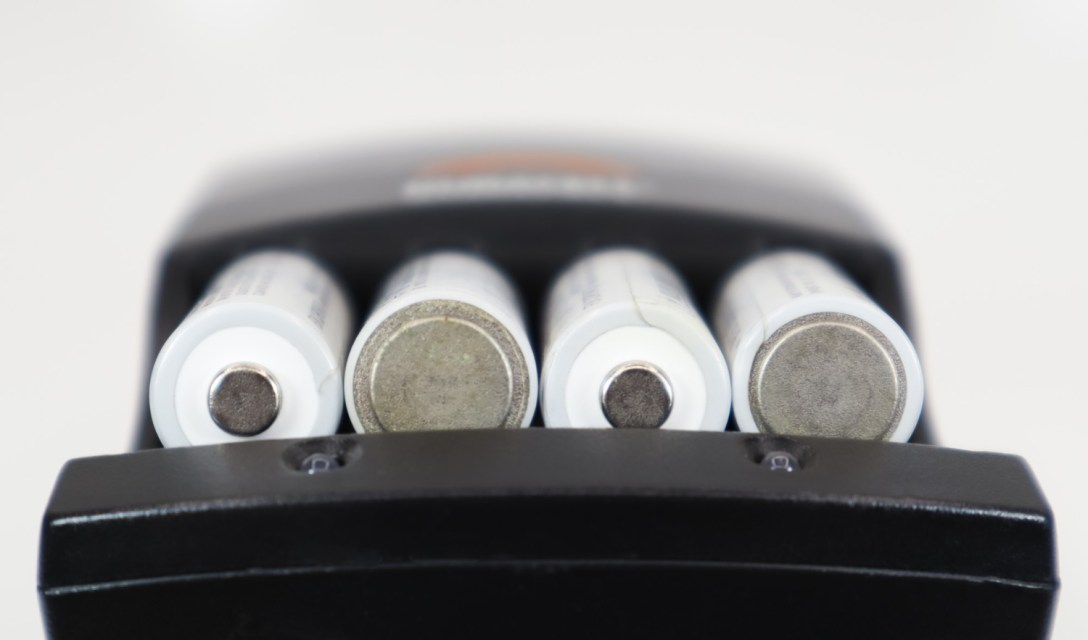
When your gear has to work in tough conditions, charging those AA lithium batteries the right way matters more than you might think. Picking any charger off the shelf might get the batteries going, but that doesn’t mean it’s the right match for long hours, jobsite use, or colder weather. Some chargers slow down or overheat in rough environments, and that only adds more hassle when you’ve already got enough on your plate.
Choosing the correct AA battery charger lithium users can count on means less downtime, fewer battery issues, and better workflow overall. Whether it’s tools lying out in a winter garage or meters getting tossed in and out of a work truck all week, the right charger does more than just fill up a battery. It needs to hold up in real-world use where gear gets knocked around, charged overnight, and expected to work again at sunrise.
Know What You’re Charging
Before even picking up a charger, it’s smart to think about what kind of devices you’re powering. AA lithium batteries show up in all kinds of field gear, things like infrared thermometers, inspection lights, handheld meters, and portable tools for technicians or inspectors. These devices typically aren’t babied. They’re carried around job after job, through cold warehouse mornings or dusty construction sites.
Different work demands call for different battery behaviors. Lithium batteries are lightweight and pack a punch, but they behave differently than NiMH or alkaline versions. They often handle colder temps better, but they’re also more sensitive to overcharging or the wrong current levels. If your charger isn’t built for lithium chemistry, it might not give the battery the charge it expects, or worse, it might push too hard and create excess heat. That affects device performance and shortens the battery’s usable life.
Knowing the chemistry behind your power source helps avoid everyday issues that creep up over time. It lets your charger work with the battery, not against it.
Features That Make a Charger Job-Site Ready
Not all chargers are made to go where your tools and equipment go. For job sites, utility vans, or tight shop benches, chargers need to survive drops, spills, and temperature shifts without throwing off your schedule.
Look for these features when picking something job-site ready:
• Strong impact-resistant casing to handle sudden bumps or tool-bag jostles
• Moisture resistance or sealed ports that keep light debris or water from harming the charger
• Safe operation in colder temperatures, especially in unheated shops or garages
It also helps to have straightforward feedback systems. A simple LED display or charge-level light means less second-guessing on the go. Fast charging can be a bonus, but reliable auto shut-off is just as useful. It keeps the battery from overheating and saves wear on both the charger and the battery.
In tough conditions, gear gets handled quickly and not always gently. Chargers should offer enough toughness to survive, and enough clarity to keep things moving.
What to Avoid When Choosing a Charger
Sometimes we grab whatever charger is lying around, especially when things get busy. But a charger that isn’t built for lithium batteries can bring more problems than solutions.
Here are a few pitfalls to avoid:
1. Using the wrong voltage range, which can lead to false full-charge signals
2. Charging lithium batteries with a charger made for NiMH or vice versa
3. Heat buildup during a charge session, which slowly wears down internal battery life
4. Long, inconsistent charge times, especially when the charger isn’t reading the battery correctly
These mistakes tend to show up when a charger wasn’t clearly marked or when we assume all AA batteries behave the same way. Over time, even a slightly wrong charger can lead to unpredictable battery performance. That can cause your tools to shut down early, even when they were “fully charged.” Knowing upfront which type of battery your charger supports helps keep your battery cycles accurate and your devices dependable.
Choosing a Charger That Helps You Stay on Schedule
Anyone working in the field or on active jobs knows that time matters. Nobody wants to stop midday just to swap failed batteries or wait around while they charge again from scratch. Reliable charging tools don’t just power up batteries, they help you keep going without stops or surprises.
A charger built with lithium chemistry in mind can recognize battery levels faster and deliver consistent charging without needing constant babysitting. Good ones are easy to set up, easy to read, and faster at reloading packs when you’re near the end of a long shift.
Look for designs that balance speed with safety. If it charges fast, great. But if it also cuts off at the correct point or detects battery temperature shifts in real time, it makes a much bigger difference than fancy screens or app syncing.
When we’re recharging an AA battery charger lithium users rely on day to day, we want it to deliver quickly, clearly, and regularly. That pace helps structure long jobs better, especially those working outdoors or with tech that can’t afford guesswork.
Why It All Comes Down to Trusting Your Gear
When you’re in motion all day, the last thing you want is a battery problem that sidetracks work. A charger might seem like a small part of the setup, but your entire workflow depends on it doing its job right every time. That kind of confidence doesn’t come from features alone, it comes from using the right match for your tools, batteries, and day-to-day conditions.
Understanding the gear you’re charging, the chemistry inside the cells, and the demands of your environment helps avoid common stumbling blocks. Whether it’s a freezing shed in February or ten straight hours in a maintenance van, picking a charger that lines up with real-world use keeps everything smoother in the long run.
Maha Energy’s Powerex chargers are built for reliability and feature intelligent charge management, rugged designs, and safety features that support both NiMH and lithium battery chemistries. Many Maha Energy chargers automatically detect battery type and status and include built-in protection circuits for optimal charging in a range of environments. Whether on the job site or in the workshop, our chargers are engineered to handle professional use.
That’s the end goal. Charging gear you don’t have to second guess, so you can stay focused on the work in front of you. When the charger is built to keep up, you don’t spend time thinking about batteries. You think about the job. And that’s exactly how it should be.
Demanding environments require reliable solutions, and the right charger makes all the difference when you’re depending on lithium batteries in the field. Not every charger is designed to withstand daily wear, cold mornings, or the fast pace of critical operations. Choosing an AA battery charger lithium users can trust helps you avoid unwanted downtime and keeps your operations running smoothly. At Maha Energy, we’re here to make sure you get dependable performance when it matters most. Have questions or want help selecting your ideal charger? Reach out to us today.
 blog.mahaenergy.com