
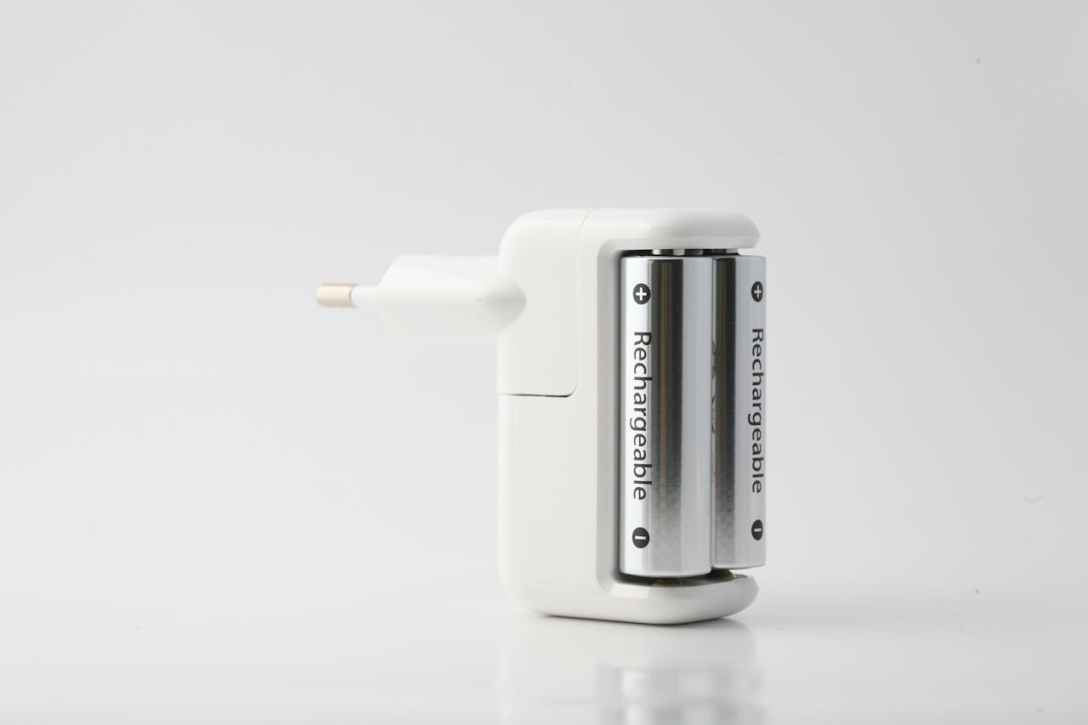
Cold weather can be tough on gear, and AA lithium battery chargers are no exception. Everything might seem fine indoors, but once winter hits, chargers can start acting up. Shorter charging cycles, random blinking lights, or chargers refusing to power on can all show up without warning. When that happens, it often comes down to how freezing temps affect charging systems.
Most of us expect our batteries to be ready when we are, but winter adds a layer of challenge. AA lithium battery chargers respond differently in cold environments, even if they worked perfectly last month. The key is knowing how to spot the early signs of trouble before they turn into daily frustrations.
Why Temperature Affects Charging Behavior
Chargers and batteries are built with limits in place to keep them safe. When temperatures drop too low, the chemistry inside lithium batteries slows down. That sluggish reaction makes it harder for the battery to take in and hold a charge.
Most chargers are smart enough to notice this. Many will reduce power or pause charging entirely when they sense risks tied to the cold. This design helps prevent heat build-up during charging, which can be a problem when both the battery and charger are under strain. But it can also mean your gear refuses to perform, just when you’re counting on it.
Lithium batteries are efficient in many cases, but they’re still sensitive to extremes. Low temperatures don’t just make batteries weaker in the moment, they can cause long-term draining effects if the issue goes unnoticed for too long.
Common Cold-Weather Charger Issues
Cold-related charging issues don’t always show up the same way. Your charger might work one day and not the next, or it might flash odd signals instead of giving a clear status. Some problems are more obvious than others.
Here are a few things we commonly see:
• LED lights flashing or going dim, even with fully working plugs
• Charging sessions that seem to take forever, with batteries never quite hitting full
• Chargers refusing to start at all or shutting off shortly after powering on
• A charged battery that drains fast or fails on the job sooner than expected
These problems often show up after your gear has been kept in an unheated space or carried around in a cold truck. Once batteries or chargers drop below their comfort zone, accuracy becomes a much bigger issue.
Indoor vs. Outdoor Charging: What Matters
Where your charger spends time matters more in winter than during warmer months. Even charging in what feels like an indoor space, like a shed, basement, or garage, can create problems if that space drops too low overnight. That’s especially true in places where temperatures dip below freezing for hours at a time.
One problem we see is quick temperature swings. If a frozen battery is brought into a warm room and put on a charger right away, the charger might misread its condition. The battery could be too cold to receive charge properly, no matter what the display says.
Even with added insulation or protected walls, sheds and storage rooms don’t always hold enough heat to support smart charging systems. Cold air can creep in overnight, leaving devices too chilled for safe or efficient charging in the morning.
When AA Lithium Battery Chargers Need a Second Look
Repeated exposure to cold can quietly wear down a charger over time. It might not break right away, but its accuracy and performance can slowly fade. That can mean unexpected shutdowns or batteries charging to only part of their capacity.
If you’re using the same charger daily throughout the winter months, it’s worth checking for these warning signs:
• Erratic lights that no longer match the actual battery level
• Heat coming from a charger when it’s supposed to be idle
• Batteries that lose charge quickly even after seeming fully charged
• Frequent resets or having to unplug and replug the unit to get it working
AA lithium battery chargers are built to handle regular use, but when temperatures stay low, small problems can stack up. Winter months make it easier to miss those early hints that something isn’t right.
Engineered Solutions for Winter Charging
At Maha Energy, we design and manufacture our Powerex battery chargers for reliable performance in demanding environments, including variable temperatures. Many of our models feature smart circuitry and multi-stage safety protocols to help avoid overcharging or misreads, especially in challenging conditions.
Cold weather problems are easier to manage when you use chargers and batteries with proven performance histories, advanced safety features, and properly matched charge compatibility. Carefully following maintenance routines and using chargers rated for rechargeable lithium types can help reduce hassle and downtime, especially for professionals who depend on their gear day after day.
Powering Smarter All Season Long
Charging habits that work just fine during warmer months may need a second look when winter hits. Cold air affects not just the battery but the charger too. And when both devices are struggling, your gear is more likely to underperform.
Keeping an eye out for smaller signs like flashing lights, longer charging times, or early shutdowns can help prevent bigger issues later. A subtle change in your charging location or timing can go a long way toward keeping everything ready when you need it.
Charging in winter doesn’t have to cause problems, but the season does add more chances for delays or confusion. By spotting trouble early and adjusting for the cold where possible, we get better performance and fewer interruptions, even during the coldest weeks of the year.
Charging challenges can crop up when winter hits, but cold weather isn’t always the only cause. Lithium-based gear can seem unpredictable, making routine charging less reliable as temperatures drop. Stay prepared in every season by pairing quality batteries with dependable equipment like our AA lithium battery chargers. At Maha Energy, we focus on delivering products built for performance and durability. Noticing any issues or need advice on choosing the perfect charging setup? Reach out to our team today.
 blog.mahaenergy.com