
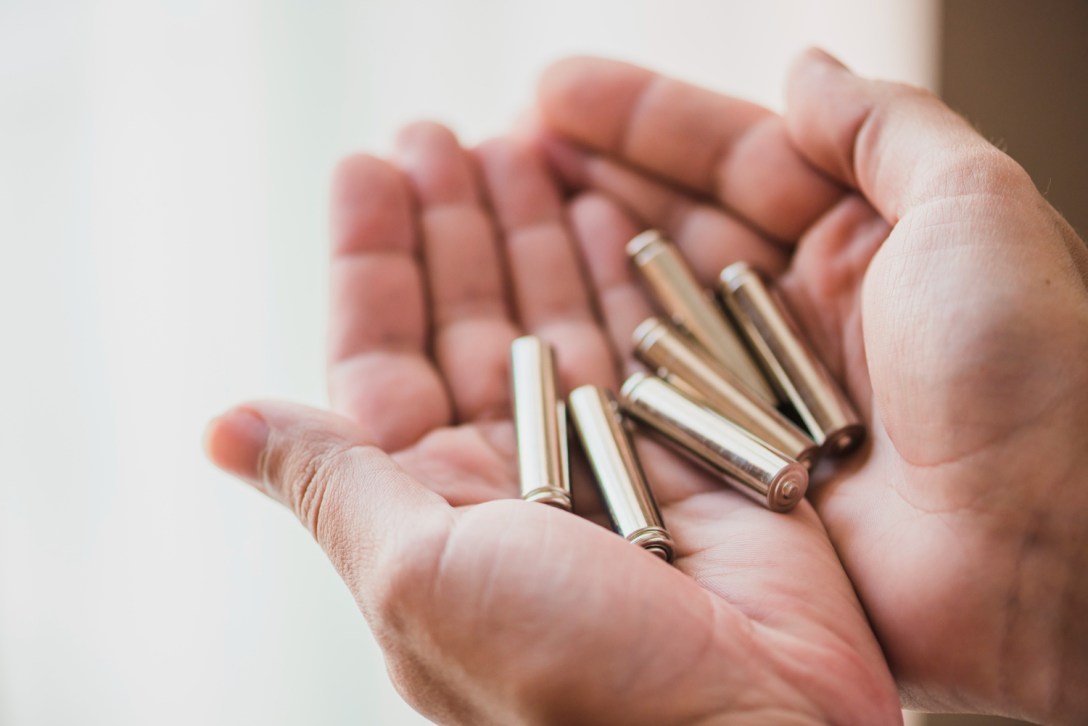
Every AAA battery compartment plays a bigger role than most people think. It’s not just a plastic tray that holds batteries. It makes sure your devices get steady power without hiccups. If that connection isn’t right, it doesn’t matter how fresh your batteries are. You’ll still run into blinking lights, lost settings, or devices that won’t turn on at all.
An aaa battery compartment that’s built well keeps everything snug, secure, and humming along. When it isn’t, it can turn simple gadgets into frustrating ones. In this post, we’ll walk through what makes a good compartment, what kinds of trouble to watch for, and how the winter months bring their own battery-related challenges.
What Makes a Good Battery Compartment Design
A solid AAA battery compartment doesn’t need to be fancy, but it does need to be designed with care. We’ve seen how the smallest details can make a big difference in performance over time. Here’s what helps things run right:
- Contact points need to be firm enough to hold the battery securely but not too tight. If they’re too loose, your device might shut off with the slightest bump. Too tight, and you risk denting or breaking the battery casing.
- The metals used should resist corrosion. Brass or nickel-plated contacts last much longer than untreated ones, especially in damp or unpredictable weather.
- The compartment should be easy to open, and inserting the battery should be straightforward. When the battery orientation is clear and the battery slides in smoothly, it saves both time and frustration.
- Springs and holders should bounce back without sticking. Springs that wear out or jam can lead to lost contact, which leads to lost power.
With all these elements working together, the battery stays in place, makes proper contact, and delivers power without issues.
What Can Go Wrong with a Battery Compartment
When a device starts acting up, we usually think of dead batteries first. But sometimes, the problem hides where the batteries live. A few common compartment problems could be to blame:
- Loose contacts can cause devices to power on and off without warning. A flashlight may flicker, or a remote might stop responding until you jiggle the batteries.
- Moisture or aging can lead to corrosion. When contacts turn green, white, or crusty, they no longer deliver power reliably. Even small amounts of buildup can affect performance.
- The plastic of the compartment itself can warp or crack. Over time, dropping devices or rough handling can bend or break the battery tray, making it hard for the batteries to sit properly.
- Batteries that feel too tight or too loose aren’t just annoying. They often signal a larger issue with the fit or spring mechanisms.
Watching how your device behaves when it gets bumped or moved can give you clues about hidden compartment problems.
Cold Weather and Battery Compartment Performance
Winter brings more than just low temperatures. It brings out weaknesses in gear you count on. The aaa battery compartment is no exception. In freezing conditions, even well-made devices can face a few challenges:
- Metal shrinks in the cold. That means battery contacts may not press as firmly, leading to a weaker connection.
- Plastic casing becomes less flexible. In extremely low temperatures, it can turn brittle or stiff. Opening the battery door might feel tougher than usual, or it might crack.
- Outdoor devices stored in the garage, basement, or shed might not power up like they did in warmer months. If the compartment is exposed to condensation or frost, corrosion can build even if it’s not directly visible.
- Devices like remote thermometers, headlamps, or trail cameras that live outside for long stretches need reliable compartments more than ever during winter.
If your devices are getting sluggish or draining faster during this season, the cold may be affecting how well the compartment holds up.
Signs It’s Time to Check or Replace the Compartment
Sometimes, the signs are subtle. Other times, they’re loud and clear. Here are a few red flags that usually mean it’s time to take a closer look at your battery compartment:
- If you constantly have to press, shake, or reposition the device to get power, the contacts might be worn or bent.
- Batteries that slide out too easily or seem to pop out on their own can be a sign of broken tabs or weak springs.
- Device feels hot during or after use. This isn’t normal and may point to a short or poor connection that causes overheating.
- Batteries keep draining faster than expected. Even new ones. A compromised compartment can cause batteries to work harder than needed.
- You see rust, cracked plastic, or bent metal parts inside the battery housing. These are all signs that age, moisture, or wear is starting to take its toll.
When we notice any of these clues, giving the compartment a check-up can often save time and frustration down the road.
Keeping Devices Running Right This Season
Winter is tough on electronics. The dry air, chilly temperatures, and increased use of portable gear all add up. That’s when a solid aaa battery compartment really proves its worth. It needs to hold tight, stay clean, and work every time you flip the switch.
By paying attention to little things, like how your device powers on, how the battery fits, or whether things feel oddly warm, you can catch problems before they knock your gear out of commission.
This time of year, a fresh set of batteries isn’t always enough. The compartment itself can make or break how well your gadgets perform, whether you’re inside staying warm or braving the cold outside. Watching for small signs of wear now can help keep everything working right when you need it the most.
When your devices aren’t working smoothly even after replacing the batteries, the problem could be in the aaa battery compartment. A dependable compartment ensures a consistent connection, especially when colder months impact performance. Our accessories at Maha Energy are built for lasting reliability so you can avoid unnecessary interruptions. We’re here to help if you notice wear or want a setup that works better for your devices, reach out to us today.
 blog.mahaenergy.com