
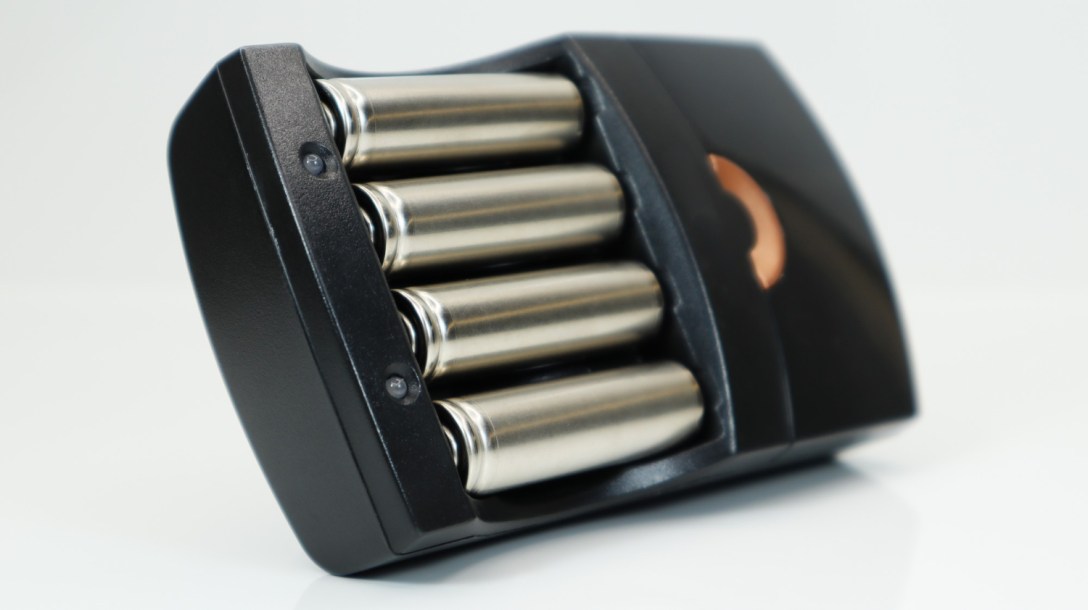
A battery charger tester is a device that checks how well rechargeable batteries are working and charging. It might not look like much, but it gives helpful info we can use to keep batteries ready and working when we need them. Whether we are using batteries in field tools, gear for photo shoots, or video production setups, spotting problems before they slow us down makes a difference.
Using a battery charger tester does not just help charge batteries. It can measure what is going on inside them, tell us how they are doing over time, and help us avoid issues before they turn into problems. Spring is a busy time to get gear ready or back into regular use, so having dependable batteries, and knowing they are charging right, makes things smoother all around.
What a Battery Charger Tester Checks First
The first thing a tester does is check how much charge is already in the battery. This is not just useful, it is necessary. Some batteries come in with enough juice left to handle part of a job, while others are drained down to nothing. If we start charging without knowing this, we could end up overcharging a battery or misjudging how long the charge will take.
- A good reading at the start helps the charger decide how fast or slow to charge the battery
- It can also help spot a battery that is not accepting any charge at all
- For daily users, this step adds confidence that nothing is getting plugged in blindly
We use this first check to get a clearer picture upfront. It sets the course for a better, safer charge the rest of the way.
Measuring Voltage During Charging
Voltage readings can tell us a lot while a battery is charging. As voltage goes up, it tells the charger how the battery is responding. When it climbs too fast or too slow, that can be a red flag.
- A sudden rise in voltage could mean the battery is damaged or not charging properly
- A steady, slow increase usually points to a normal, healthy charge
- Some testers will stop the charge early if they spot something wrong with the voltage curve
Having this layer of checks going in real time gives us peace of mind. The battery charger tester steps in automatically if something does not seem right and stops the charge before things go too far. That lowers the risk of overheating or bad performance when we go to use that battery later.
Tracking Charging Time and Cycles
We track how long a battery takes to charge and how many times it has been charged across its life. The tester keeps up with this quietly in the background. We do not always think about these details day to day, but they matter more than we might realize.
- A longer charge time can mean the battery is not holding current well anymore
- Shorter times could mean the battery is not pulling a full charge
- Knowing the number of charge cycles helps gauge when a battery is nearing the end of its life
This tracking gives an easy way to check if today’s charge is different from last month’s. It helps us plan when batteries may need swapping out or when gear will need a backup to last through the day.
Identifying Faults, Errors, or Declining Battery Health
Sometimes batteries do not work quite right, even if they look fine from the outside. That is where testers come in. They are watching for small signs of trouble while batteries charge, and they can let us know if something is not acting the way it should.
- A battery that will not hold full charge shows up through repeated weak readings
- One that cuts out early under load might trigger a fault alert
- The tester may flag errors when a battery’s inner chemistry starts to slip
We have gotten better workdays by catching issues early, before they cost us on location or out in the field. Simple tests can give us the heads-up that a battery needs replacement or repair time, not a job under pressure.
Comparing Readings for Consistency
When we use a bunch of batteries that are supposed to operate the same way, small differences can slow things down. Testing helps us compare them so we do not mix up old, weak batteries with newer or better ones.
- Running the same test across batteries shows which ones are drifting off-spec
- A weak performer in the group can then be separated or labeled for lighter tasks
- Repeated readings help spot patterns that do not show up from a single test
This consistency check is simple but saves us stress. We do not have to guess which battery is weaker just because one piece of gear did not perform well. We have tested numbers to back it up.
Making Better Battery Choices with Clear Info
What we like about using a battery charger tester is the clarity it brings to something we rely on every day. Instead of wondering how a battery is doing, we get data we can trust. That kind of information lets us move faster, prep smarter, and reduce downtime from battery issues, especially during times like spring when field use ramps up again.
All the features we count on, voltage checks, time tracking, error flags, help keep us moving and reduce the chance of unexpected delays. When we know how our batteries are doing, we can plan better and keep our tools ready to roll through every job ahead.
At Maha Energy, we know how much smoother the day goes when batteries charge right the first time. Whether you are tracking performance or checking for faults before heading out to the field, a reliable tool can help take the guesswork out of power prep. Using a battery charger tester gives you the confidence to trust your gear, catch issues early, and keep moving without interruptions. It is a simple step that makes a big difference in readiness, especially when spring jobs start picking up. Reach out to our team with any questions or for help choosing the best setup.
 blog.mahaenergy.com