
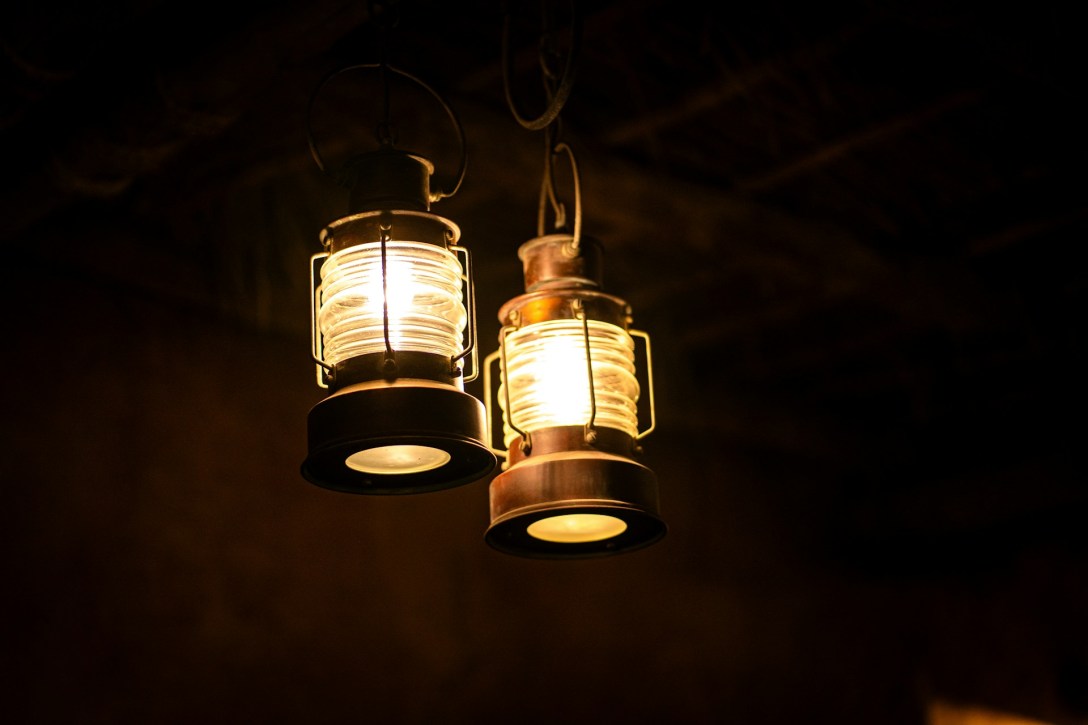
Stop Guessing and Start Trusting Your Camping Lantern
A rechargeable LED lantern is not just a handy gadget; it can be your main light when the sun drops early, the wind picks up, and the power lines start to shake. When that happens, you do not want to find out that your “1,000 lumen, 20 hour” lantern is closer to a dull night-light that fades in a few hours. Specs on the box often look great, but they do not always match what happens outside in the cold.
This matters even more in late fall and winter. Nights are longer, campgrounds are darker, and storms can hit hard. A reliable lantern helps with cooking, camp chores, and emergency repairs, and it can calm everyone down when the house goes dark. In this guide, we will walk through simple field tests you can do at home or at camp to see if your rechargeable LED lantern really delivers the lumens, runtime, and battery capacity it promises, and how better batteries can change the outcome.
Know the Specs That Actually Matter Outdoors
Most lantern packages are covered in numbers. The main ones that affect real use are:
- Lumens, how much light the lantern puts out
- Runtime, how long it can keep shining on a given mode
- Battery capacity, how much energy the battery can store
These three are linked. Higher lumens usually mean more power draw, which eats into runtime. A bigger battery can support brighter light for longer, but only if that rating is honest.
You might also see terms like ANSI FL1 lumens. That is a standard way some brands measure output, using a set distance and time. If your lantern follows that, the lumen number tends to be more realistic. You will also see modes: high, medium, low, and sometimes turbo or boost. Turbo is usually short burst brightness, not a level you can run all night.
Battery types matter too:
- NiMH rechargeables, common in AA and AAA sizes
- Lithium-ion cells, often built-in, like 18650 or flat packs
- Built-in packs with only a USB charging port
Each type behaves differently in the cold. As temperatures drop in late fall, many batteries lose some effective capacity. Runtime gets shorter, and output can sag. Professional-grade rechargeable cells, like the Powerex batteries we work with at Maha Energy, are built to hold more of their capacity and keep voltage steadier, so lights stay brighter for longer even when it is chilly.
A Simple Field Test for Real-World Lumens
You do not need a lab to sanity-check brightness. You just need a known reference light and a wall.
Here is a simple way to compare:
- Pick a trusted flashlight or lantern from a well-known brand with a clear lumen rating
- Darken a room or wait for night at camp
- Place your test lantern and the reference light the same distance from a wall
- Turn one on at a time in a similar mode, for example high vs high
First, use your eyes. Is your rechargeable LED lantern clearly dimmer than a 300 lumen flashlight, even though it claims 600 lumens? That is a red flag. Then, use a free or low-cost lux meter app on your smartphone. It will not be perfect, but it gives you a number you can compare.
A few tips:
- Keep the phone in the same spot for each reading
- Use the same distance from lantern to wall for every test
- Take readings in the center of the beam and then slightly off-center
If your lantern shows about twice the lux of a 300 lumen light, it might really be near 600 lumens. If it only reads a little higher, the numbers on the box are likely inflated. Also pay attention to beam pattern. A lantern with a diffuser spreads light wide, so it might look less intense on the wall but more useful around camp. Spotty or narrow beams can spike lux readings without giving better overall area light.
Measuring Runtime the Right Way on a Cool Fall Night
Runtime is where many products really stretch the truth. To test it, charge your lantern fully, then pick a mode to test, usually high, since that is the emergency setting.
Follow a simple plan:
- Start with a full charge and note the time you switch it on
- Place the lantern in a safe spot where it will not be bumped or covered
- Leave it alone and let it run until it becomes too dim to be useful
To track brightness changes, you can:
- Check on it every 30 to 60 minutes
- Take a quick photo from the same spot with the same camera settings
- Note any clear step-downs, when the light drops to a lower level
Cool October or November nights are actually great for this test. The chill makes weak batteries show their limits faster. If your lantern uses AA or AAA cells, try it once with generic rechargeables and once with higher-grade cells like Powerex NiMH. You will often see that better cells hold brightness longer before the lantern drops down or gives out.
Estimating Battery Capacity Without a Lab
Battery capacity is usually shown as mAh or Wh. You can get a rough idea of the real number by combining your runtime test with the lantern’s power draw.
If the manual lists watts or amps, write that down. The basic math looks like this:
- Wh = V × Ah
- mAh is just Ah × 1000
So if your lantern uses a 3.7 V battery rated at 5000 mAh, that is 5 Ah. In watt-hours, that would be 3.7 × 5, or 18.5 Wh claimed. If the light on high draws about 3 W, you would expect a bit over 6 hours at full brightness in perfect conditions. If your field test shows it is dropping hard after 2 hours, something is off in the claimed capacity, the electronics, or the batteries.
For lanterns that run on AA or AAA cells, intelligent chargers from Maha Energy can measure actual capacity per cell. You place each rechargeable battery in the charger, and it runs a controlled charge and discharge to see how many mAh it really holds. This helps explain dim output and short runtimes: weak or worn-out cells simply cannot feed the lantern as long as their label claims.
Turn Field Test Results Into Smarter Gear Choices
Once you run these simple lumen, runtime, and capacity tests, you start to see which rechargeable LED lanterns you can trust for cold-weather camping or winter outages. The numbers on the package turn into real expectations you have checked yourself, not guesses.
A quick checklist for future buys:
- Lumen claims that match your home comparison tests
- Honest runtimes on high mode, not only on low
- Clear battery type info, with the option for replaceable cells when possible
- Compatibility with high-quality rechargeable AA or AAA cells and smart chargers
At Maha Energy, we focus on the power behind the lantern. Professional-grade Powerex rechargeable batteries and intelligent chargers give you a way to back up your favorite lights with energy you can actually measure, test, and trust, so the performance you confirm at home is the same performance you carry into the field when the cold and dark roll in.
Light Up Every Adventure With Reliable Power
Choose a rechargeable LED lantern that delivers dependable brightness whenever and wherever you need it. At Maha Energy, we design our solutions to help you stay prepared, whether you are at home, on the road, or outdoors. If you have questions or need help selecting the right option, contact us and we will guide you to the best fit for your needs.

