
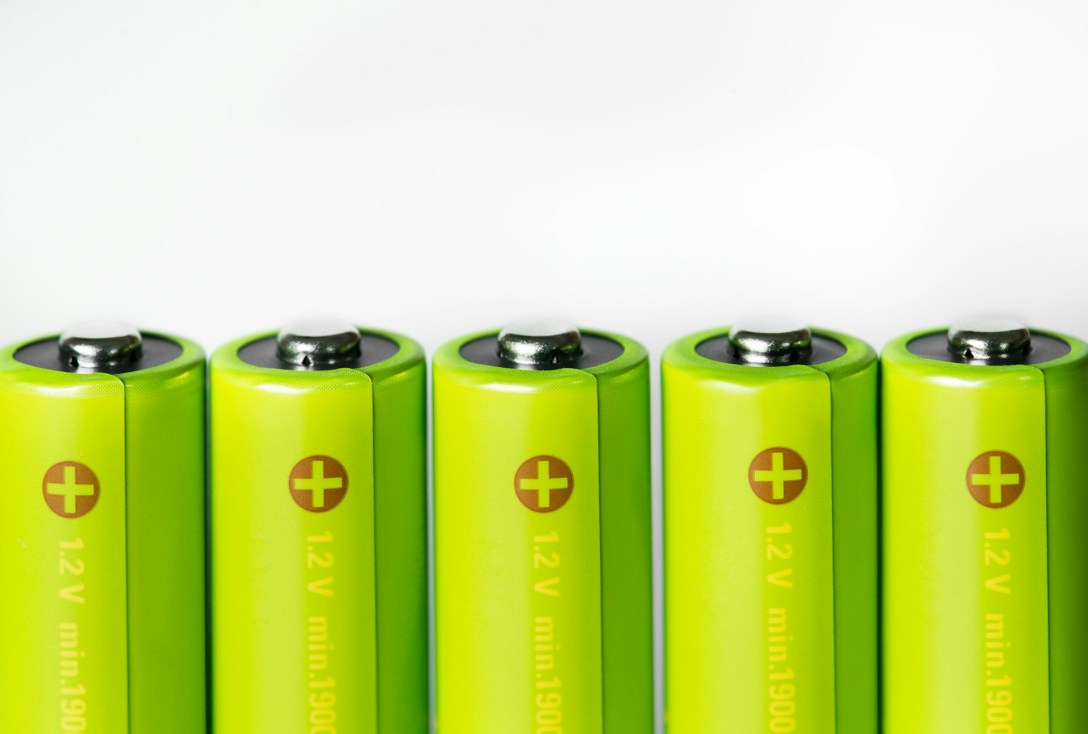
Stop Killing Your Rechargeable AAs Before Their Time
NiMH rechargeable AA batteries should not give up halfway through a summer barbecue, a wedding shoot, or a camping trip. When they are treated well, they can power cameras, flashes, mics, and everyday gear again and again. When they are treated poorly, they start to feel weak, stop holding a charge, or fail at the worst moments.
Most of the time, the problem is not that the batteries are “bad.” The problem is how they are charged, stored, and used. At Maha Energy, we work with high-performance NiMH rechargeable AA batteries and smart chargers every day, so we see the same mistakes over and over. Once you understand these common errors, you can give your batteries a much longer and more reliable life, especially during hot summer months when gear gets used the most.
Overcharging and Undercharging, the Silent Battery Killers
Proper charging is the first big step. NiMH rechargeable AA batteries like a smart, controlled charge. A quality smart charger looks for tiny voltage changes, tracks temperature, and handles each cell on its own channel. That way, every battery gets exactly what it needs, no more and no less.
Overcharging is one of the fastest ways to wear out good batteries. Common issues include:
- Leaving AAs on a basic “dumb” wall charger all night, every night
- Forgetting a charger is plugged in for days in a corner or in a gear bag
- Charging in a closed car, tent, or bag where heat builds up fast
When batteries sit at full charge while still getting current, they turn that extra energy into heat. Heat is hard on the chemistry inside the cell. Over time, this can mean lower capacity and shorter runtime, even if the batteries are fairly new.
Undercharging is not great either. If you always pull batteries off the charger “just to be safe” or because you are in a rush, they may never reach a full charge. Some ultra-fast chargers also push very high current without enough monitoring, which can leave cells warm but not fully charged. That can lead to:
- Short, unpredictable runtimes
- Batteries that seem to “drop” suddenly
- Extra stress caused by repeated partial cycles
Better habits help a lot:
- Charge in a cool, open spot, not in direct sun
- Use a smart charger that stops correctly and watches each cell
- Remove batteries when the charger says they are full
High-quality chargers like the ones we design at Maha Energy are built to protect against both overcharging and undercharging, which keeps NiMH rechargeable AA batteries healthy for much longer.
Mixing Mismatched Batteries and Ignoring Weak Cells
Another mistake is mixing random batteries together. In a device that takes two or four cells, the whole pack is only as strong as the weakest one. When you mix different ages, brands, or capacities, one tired cell hits empty first. The device shuts off when that weakest cell reaches its cutoff voltage, even if the others still have energy left.
Real-life examples show up all the time:
- Tossing “whatever AAs are handy” into a flash during a busy event
- Pairing old cells from a drawer with new high-capacity ones
- Using different brands together in a wireless mic or game controller
This does two bad things. First, you get poor runtime. Second, the weaker cell can get pushed too low while the stronger ones keep trying to drive the device, which adds even more wear.
Better habits are simple:
- Keep batteries in labeled sets of two or four, and always use those sets together
- Mark sets as “Set A,” “Set B,” and so on for each device
- Avoid mixing brands, ages, or capacities in the same device
Smart chargers, including our Powerex models, can test capacity and internal resistance. That helps you spot weak cells early. Then you can retire or “demote” them to low-drain devices like clocks and TV remotes instead of forcing them into a pro flash or audio recorder.
Storing NiMH Rechargeables the Wrong Way
Storage matters as much as charging, especially with summer heat and winter chill. High temperatures speed up chemical aging inside NiMH rechargeable AA batteries. Very low temperatures slow them down but can increase self-discharge and moisture issues if you are not careful.
Common storage mistakes include:
- Leaving fully charged batteries in a hot car on a sunny day
- Storing them totally drained in a drawer for months
- Tossing loose cells into bags where they can touch coins, keys, or metal gear
Sitting at full charge in a hot spot makes batteries age faster. Sitting completely empty for a long time can push them so low that they lose capacity or have trouble taking a charge again. And when metal objects bridge the positive and negative ends, you can get a short circuit with serious heat.
To store for maximum life:
- Keep batteries in a cool, dry, shaded place, away from heaters or direct sun
- If you will not use them for a while, store them partially charged and top them off before a big trip or shoot
- Use simple plastic cases to keep sets together and protect the contacts
We design cases and accessories to make this easy, so your NiMH rechargeable AA batteries stay organized and safe between uses.
Using the Wrong Batteries for the Job
Not every AA battery is built for the same kind of work. High-drain devices like camera flashes, LED panels, game controllers, and wireless audio gear pull a lot of current, sometimes in sharp bursts. Low-quality or low-capacity cells struggle here. They can heat up, drop voltage quickly, and hit deep discharge more often.
Deep discharge is when batteries get pushed very low or even reversed in multi-cell packs. That can happen when:
- A camping lantern is left on all night until it dies hard
- Toys or controllers are used until they will not turn on at all, then sit for weeks
- High-demand gear is run on cells that were already half empty
Repeated deep discharges wear NiMH cells out faster. In extreme cases, one cell in a set can reverse polarity while the others keep driving it, which is very damaging.
Choosing smarter helps:
- Use high-capacity, low-self-discharge NiMH rechargeable AA batteries in demanding gear
- Turn down flash recycle speed or LED brightness when full power is not needed
- Swap sets before they are totally flat, instead of always running to shutdown
We design Powerex high-performance cells with photographers, audio techs, and serious everyday users in mind, so they handle the tougher jobs that show up during busy summer events and trips.
Simple Habits to Keep Your NiMH AAs Going Strong
You do not need a complex system to care for your batteries. A few simple habits go a long way.
Seasonal checklist:
- Before a busy travel or shooting season, run batteries through a test or conditioning cycle on a smart charger
- Label and store sets in cases so they do not get mixed or damaged
- Avoid heat, moisture, and very long periods of deep discharge
Everyday routine:
- Rotate sets so the same few are not always the ones in your main gear
- Move aging cells to low-drain devices instead of tossing them right away
- Match quality batteries with quality chargers that watch temperature, voltage, and each cell on its own
At Maha Energy, we focus on high-performance Powerex NiMH rechargeable AA batteries, smart chargers, and accessories because we want your cameras, flashes, audio gear, and daily devices to be ready whenever you are. With better charging, smarter storage, and the right cells for the job, your AAs can last for many seasons of shoots, trips, and everyday use.
Power Your Devices With Reliable, Long-Lasting Performance
Choose our NiMH rechargeable AA batteries to get more runtime, consistent power, and fewer battery changes for the tools and gear you rely on every day. At Maha Energy, we build our batteries to deliver dependable performance charge after charge, so you can focus on your work instead of power problems. If you have questions about which options are best for your setup, contact us and we will help you select the right solution.

