
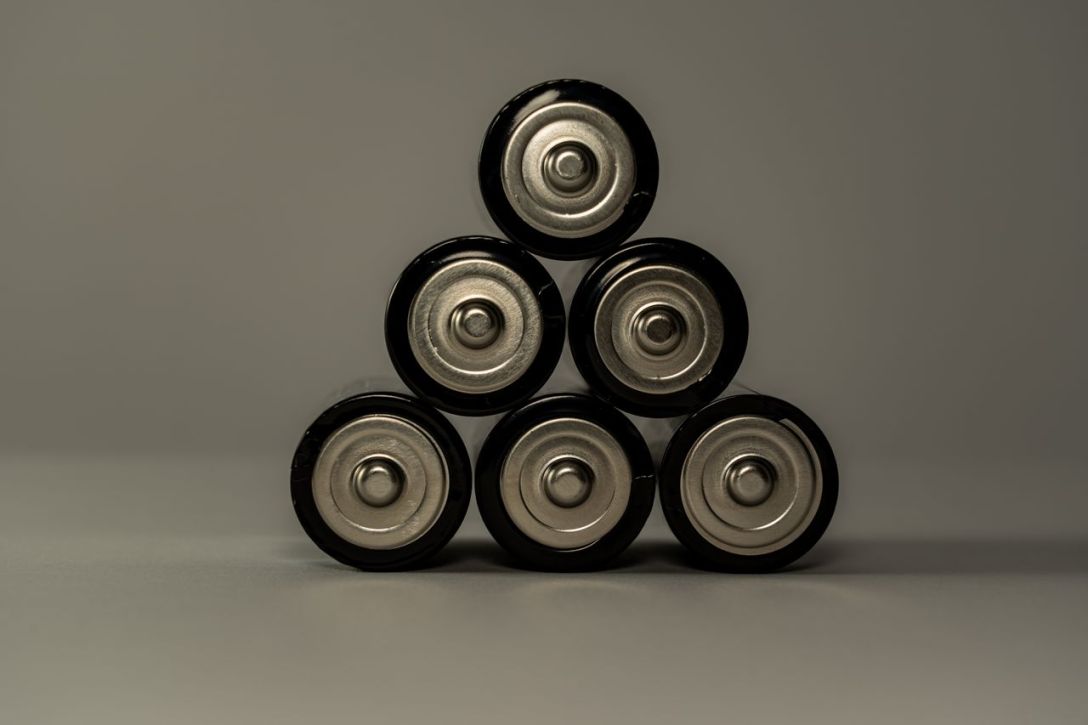
Get More Hours From Every Charge
Reliable portable power is the quiet hero behind great photos, safe campsites, and smooth workdays. When your gear dies early, you miss the best light on the trail, the key moment on stage, or the call that actually matters. So the big question is simple: is it better to buy high-capacity rechargeable batteries, or squeeze more runtime out of the gear you already have?
In this post, we will talk through both sides. We will look at what high-capacity really means, how device settings and duty cycle change your runtime, why temperature and load matter, and how to blend all of this into a simple plan. Our goal is to help you get more hours from every charge, especially during those cooler fall days when power can feel a little unpredictable.
When High-Capacity Batteries Make the Biggest Difference
High-capacity rechargeable batteries are all about how much energy they can store. The number you see, like 2400 mAh or 2700 mAh, tells you how long the battery can deliver a certain amount of current. Higher mAh usually means longer runtime, especially in gear that pulls a lot of power.
This really shows up in high-drain devices such as:
- Camera flashes and speedlights
- LED panels and video lights
- Two-way radios and walkie-talkies
- GPS units and trail devices
- Field recorders and audio gear
In these cases, more capacity often means the difference between swapping batteries halfway through the day and finishing your shoot or hike on the same set. Long wedding days, sunrise-to-sunset landscape trips, multi-day camping, or emergency kits at home are all times when extra capacity is a clear win.
There are tradeoffs, though. High-capacity cells usually:
- Take longer to recharge
- Can be a little heavier
- May show more voltage drop during very heavy bursts
- Can feel weaker in low temperatures if not managed well
This is where an advanced charger/analyzer comes in. A smart charger can help keep cells balanced, show you which batteries are getting weak, and treat your pack kindly over time. That way, when you grab your batteries for a big shoot or a cold fall-camping weekend, you have a good idea what kind of runtime to expect.
How Device Settings Can Double Your Runtime
Capacity is only half the story. The other half is how hungry your devices are. Small setting changes often give you a huge jump in battery life, without buying anything new.
Some of the biggest power savers are simple:
- Lowering brightness on LED panels, monitors, and headlamps
- Dropping flash power and raising ISO or opening your aperture
- Turning on power-save or eco modes on cameras, mics, and radios
- Shortening screen timeouts and sleep timers
Hidden drains are easy to forget. Constant Wi-Fi, Bluetooth, GPS tracking, continuous autofocus, and live view modes can chew through a fresh charge faster than you expect. Many cameras and handheld devices keep radios or screens awake even when you think they are resting.
Here are a few practical fall profiles:
Wedding weekend camera setup
- Use moderate screen brightness, not max
- Turn off constant Wi-Fi transfers between sets
- Use viewfinder more and live view less
- Set a short auto sleep time between moments
Backcountry overnight headlamp and GPS
- Run headlamp in low or medium mode for camp tasks
- Switch GPS to a longer track interval, not constant logging
- Turn off unneeded alerts and background sensors
Storm-ready home emergency lighting
- Set LED lanterns to low or medium instead of full turbo
- Use directed light where you are, not in empty rooms
- Keep radios on battery-save receive mode when possible
Small tweaks like these often add hours of use, even with the exact same set of batteries.
Duty Cycle, Load, and Why Your Gear Eats Power
Duty cycle sounds technical, but it is simple. It just means how much of the time your device is working hard compared to resting. A flash that fires every few seconds at high power has a heavy duty cycle. A radio that only sends short bursts but listens quietly most of the time has a lighter duty cycle.
Load is how much current your device pulls at any moment. Turbo modes, full-frame bursts, max-volume audio, and full-output LEDs all ask the battery for a lot of current at once. That heavy load makes the battery work harder, which creates more heat and more voltage sag. When voltage sags, your gear can shut down early even if there’s still some energy left in the cells.
You can help your batteries by:
- Avoiding running everything on max all day
- Using burst modes with short breaks in between
- Staggering heavy-use devices in your kit
- Allowing short cool-down periods during very intense use
This does not mean you can never hit full power. It just means saving those top settings for the moments that truly matter, then backing off to more efficient levels the rest of the time.
Cold Weather, Heat, and Seasonal Power Performance
As fall rolls in and mornings get colder, your batteries feel it. In the cold, the chemistry inside the cell slows down. The battery can act like it is smaller than it really is. On the other hand, hot conditions can speed up wear over the long term.
For cooler days and early winter use, a few simple habits help a lot:
- Keep spare batteries in an inside pocket, close to your body
- Rotate warm spares into your camera or GPS when performance drops
- Avoid leaving gear and batteries in a cold car overnight
- Plan extra capacity for shoulder-season camping and late outdoor events
Charging and storage also matter. It is best to charge at room temperature, not right after pulling ice-cold or very hot batteries from the field. A smart charger/analyzer can flag weak cells before your big weekend shoot or trip. When your busy season slows down, store your batteries in a cool, dry place and give them a gentle top-up now and then.
Build a Runtime Strategy That Matches Your Mission
Real-world runtime is not about choosing between high-capacity rechargeable batteries or careful power use. You get the best results when you combine both. Bigger capacity gives you a deeper tank. Smart settings, sane duty cycles, and temperature awareness help you use that tank wisely.
A simple plan might look like this:
- Pick battery capacity that fits your device type and trip length
- Set up your camera, lights, and radios with sane power-save profiles
- Decide which moments really need full power and which do not
- Carry enough charged spares and rotate them in cold weather
At Maha Energy, we design Powerex rechargeable batteries and advanced charger/analyzers for people who cannot afford surprise shutdowns, from photographers on busy event days to campers far from outlets. When you match the right cells with smart device habits, you can head into fall knowing your gear will stay powered from first light to last frame.
Power Your Critical Applications With Reliable Energy Storage
When your projects demand consistent performance and long runtimes, choosing the right power source makes all the difference. At Maha Energy, we design high-capacity rechargeable batteries that help you get more done between charges while protecting your equipment. If you are unsure which solution fits your needs, reach out and contact us so we can help you size and select the best option for your application.
 blog.mahaenergy.com