
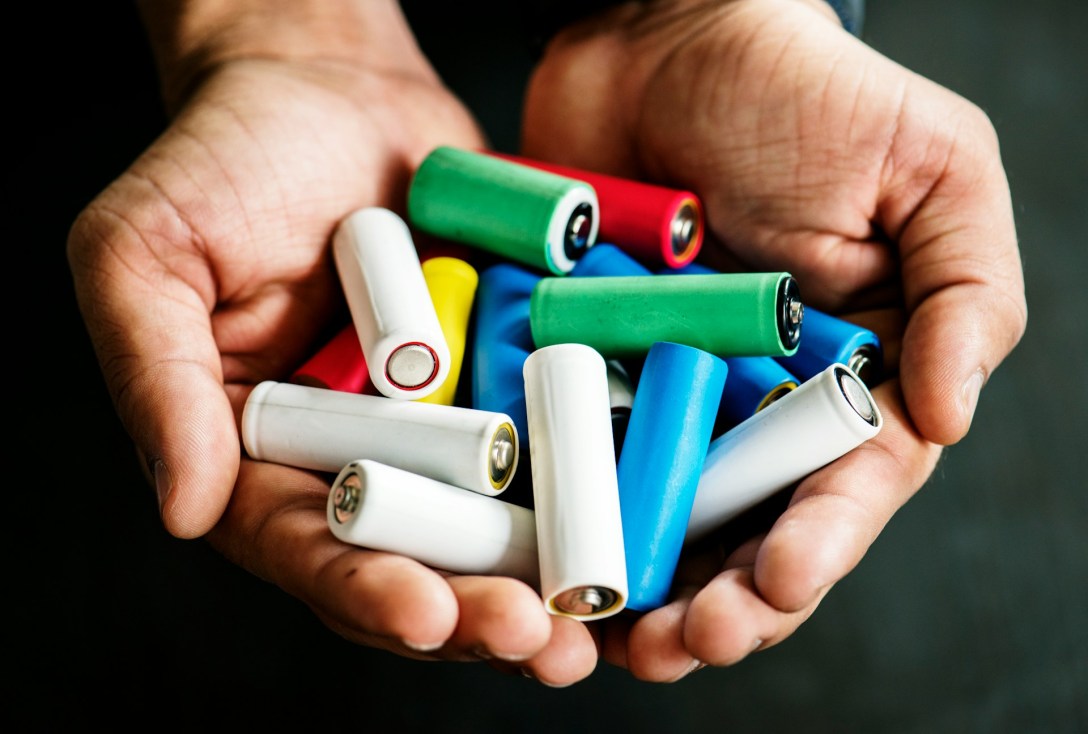
Cool, quiet air, bright stars, and empty trails make long fall backpacking trips feel amazing. None of that feels very fun when your headlamp dies on a rocky trail or your GPS shuts off in the middle of a storm. A simple rechargeable AA battery pack can decide whether a trip feels smooth and easy or stressful and dark.
Here, we are going to walk through how to plan, pack, and protect your AA power so your lights stay on and your gear keeps working. We will talk about what devices matter most, how many batteries to bring, smart charging plans, and how to keep your power working in cold weather on late season trips.
Power Your Backcountry Freedom with Smart AA Packing
Long fall and early winter backpacking comes with rewards: cooler temps, fewer bugs, and quieter camps. It also brings longer nights, quick weather changes, and more time spent under a headlamp. When your gear depends on AA batteries, poor planning can put you in a bad spot fast.
Dead headlamps, GPS units, or radios are more than annoyances out there. They affect:
- Safety, seeing the trail and camp tasks in the dark
- Navigation, staying on route in bad visibility
- Communication, reaching help if something goes wrong
A well-thought-out rechargeable AA battery pack gives you freedom to hike longer, camp later, and still feel ready for the unexpected. At Maha Energy, we focus on pro-grade Powerex rechargeable cells and smart analyzing chargers. The same high, lab-tested capacity that serious users rely on at work can help backpackers stretch each battery further between charges.
Know Your Trail Tech and Power Priorities
Before stuffing random batteries into your pack, list what actually runs on AAs. Common backpacking gear includes:
- Headlamps
- Handheld GPS units
- AA-based satellite messengers or emergency radios
- Cameras or camera flashes and triggers
- Walkie-talkies
- Small backup lanterns
Not all of these are equal on a long trip. We suggest ranking them by priority:
- Mission first: headlamp, GPS or map device, emergency radio or messenger
- High importance: camera gear if you really care about photos, walkie-talkies for group trips
- Nice to have: backup lantern or extra lights around camp
For a late fall or November trip, plan for:
- Shorter days, more hiking and camp chores in the dark
- Colder temps, which can cut battery performance
- Storm delays, when you might sit in camp using lights and radios longer than planned
This simple ranking helps you decide how big your rechargeable AA battery pack should be and where you can safely cut weight.
How Many Rechargeable AAs You Really Need
Now it is time to put some numbers to your plan. Start by checking each device:
- Look at the manual or product page for average runtime or current draw
- Note how many AAs each device uses at once
- Think about how many hours per day you actually use that device
For example, ask yourself:
- How many hours will my headlamp be on each night at my normal brightness?
- Will I track with GPS all day, or just turn it on for checks?
- How long do I shoot with my camera, and how bright is the flash?
Turn those answers into a rough count of “battery sets per day” for each device. Then add a real buffer:
- Cold weather loss in late fall
- Extra hours if you end up night hiking
- One or two unplanned zero days in camp
Once you add that, pad the total pack by another 20 to 40 percent for safety. High-capacity, low self-discharge cells, like Powerex rechargeables, make this simpler. They give more usable hours per cell, keep their charge better when stored, and help you carry fewer total batteries for the same or better runtime.
Building a Lightweight, Reliable AA Battery Kit
Your goal is a kit that is simple, light, and easy to manage on trail. A good starting structure:
- One working set of AAs in each device
- At least one full spare set for mission gear like headlamp and GPS or radio
- A small pool of extra cells for cameras or camp lights if those matter to you
Organization matters a lot. Try:
- Small labeled cases to hold sets of AAs
- One color or mark for “charged,” another for “used”
- A pouch you can open with gloves on, stored in an easy-to-reach pocket
When thinking about weight, it is tempting to toss in a big pile of cheap disposables. In practice, many backpackers are better off with fewer, higher-capacity Powerex cells and a compact Maha smart charger. You carry less waste, have more control over which cells are still strong, and can recharge instead of hauling a sack of dead batteries.
Charging Strategies on the Trail and in Town
Good trips start at home. Before you leave, use a Maha smart analyzing charger to:
- Fully charge and cycle your cells
- Check actual capacity so you see which ones are strong
- Group batteries in matched sets for gear that uses more than one cell
For longer routes where you pass through towns, plan how you will recharge:
- A USB-powered Maha charger that runs off a power bank
- A power bank that you can refill in town
- A high-efficiency solar panel if you spend many days between plug-ins
Cold weather brings special charging rules:
- Charge inside your tent or in a small insulated bag
- Do not leave the charger exposed overnight on a cold rock or picnic table
- Keep charged cells in an inner pocket so they stay warm and ready
Protecting Your Batteries From Cold and Rough Use
Once night temps dip near freezing, battery output drops and runtime shrinks. That is just part of late fall trips, but you can manage it with a few habits.
During the day:
- Keep primary AA sets for your headlamp and GPS in an inner jacket pocket
- Avoid leaving gear with batteries in outer mesh pockets where they get cold and wet
At night:
- Sleep with your most important spare sets in your sleeping bag or quilt
- Store backup lights and radios inside the tent, not out in the vestibule
Trail life is rough on gear. To keep your Powerex cells working trip after trip:
- Avoid soaking them, wipe off moisture when you can
- Check battery contacts and compartments for grit or corrosion
- Make sure springs and contacts inside lights and devices are not bent or packed with dirt
A little attention goes a long way toward keeping your rechargeable AA battery pack strong and dependable.
Trail-Tested Packing Checklist You Can Trust
Here is a simple checklist you can adapt for your own trips:
- Headlamp: 1 working set, 1 to 2 spare sets
- GPS or radio: 1 working set, 1 spare set
- Camera gear: 1 to 2 sets, depending on how much you shoot
- Camp light or lantern: 1 set, plus shared spares if needed
- Extra “emergency only” AA set in a separate, clearly labeled case
- Labeled battery cases or small pouches for charged and used cells
- Maha smart analyzing charger with USB cable
- Power bank and, for very long trips, a compact solar panel
Before a big November trek, do a weekend shakedown. Pack what you think you will need, go out in similar temperatures, and pay attention to how long each set lasts. Adjust quantities until you feel calm about your power supply instead of guessing.
At Maha Energy, we build Powerex rechargeable batteries and smart chargers for people who rely on their gear, from photographers and gamers to first responders and serious backpackers. With a thoughtful plan and a well-built rechargeable AA battery pack, you can keep your lights on, your maps active, and your camera ready from trailhead to summit and all the dark miles in between.
Power Your Devices With Reliable, Long-Lasting Performance
Upgrade to a high-quality rechargeable AA battery pack from Maha Energy and keep your essential gear ready when you need it most. Our batteries are engineered for demanding users who expect consistent power, whether at home, on the job, or out in the field. If you have questions about which solution is right for your setup, you can contact us for personalized guidance.

