
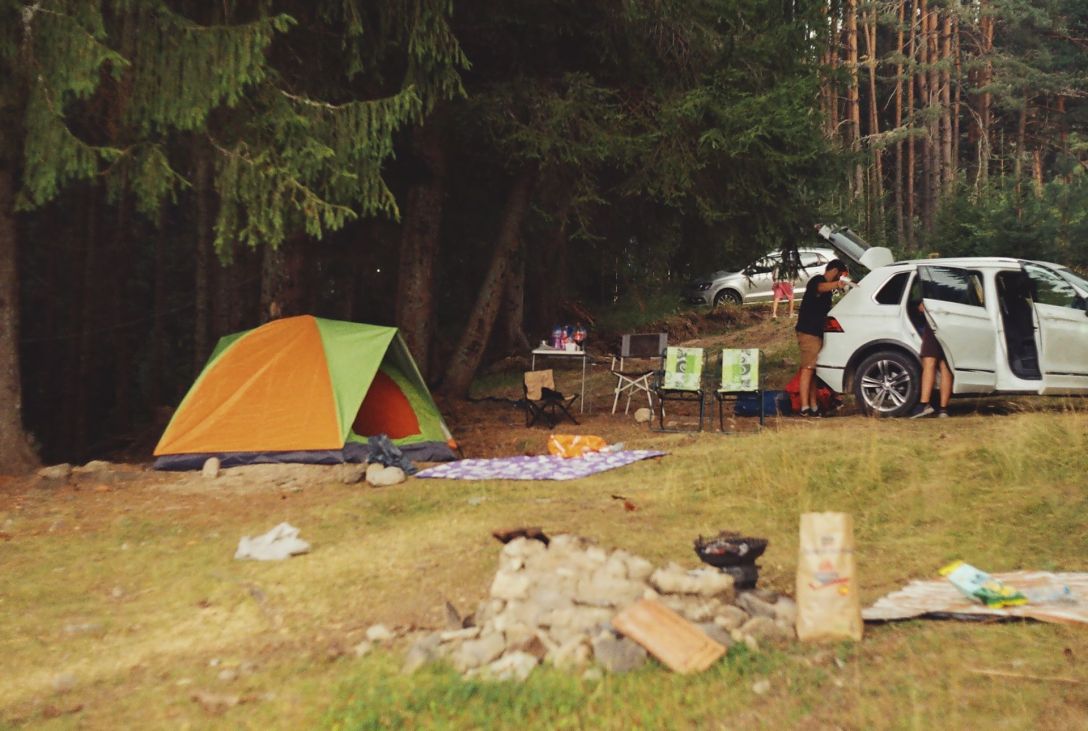
Keep Your Late-Summer Camping Gear Powered All Trip Long
Late-summer camping can be amazing, but it is tough on batteries. Hot days, cooler nights, lots of dust, and humid air all work against your power setup, especially when you are running headlamps, GPS units, radios, cameras, lanterns, and fans for several days in a row. If you do not plan ahead, you end up rationing light, turning off your fan too early, or babying your GPS to save power.
We want to help you avoid that. Here at Maha Energy, we work with high-capacity rechargeable batteries, smart chargers, and gear built for people who really depend on their power. In this guide, we will walk through a simple late-summer battery plan: how to charge and rotate your batteries, how to protect them from heat, how to choose the right high-capacity rechargeable batteries, and how to set up a portable charger and solar combo that fits a 3 to 5 day trip.
Build a Late-Summer Charging and Rotation Game Plan
The first step is knowing what actually needs power. Before your trip, spread your gear out on a table and make a quick list of every device that uses batteries. Then think about how long each one runs on a fresh set.
Common late-summer camp gear includes:
- Headlamps and lanterns
- Small fans for tents
- GPS units and handheld radios
- Camera or camera flashes
- Power-hungry bike lights or trail lights
High-capacity rechargeable batteries help here because they hold more energy in the same size, so you get longer runtimes. That means fewer loose spares rolling around your bag and less stress about every minute of light.
Now set up a simple rotation system. It can be as basic as three small pouches or labeled plastic cases:
- “In Use” for batteries currently in your gear
- “Charged and Ready” for fresh sets
- “Needs Charging” for depleted ones
Pick which devices are critical and always get the best, freshest cells. For most campers, that list looks like:
- Headlamp or primary light
- GPS or navigation tool
- Radio or emergency alert device
Before you leave home, run a full prep session:
- Fully charge your batteries with a smart charger
- Let the charger show you if any cells are weak or failing
- Keep sets together and label them by date or by set number
- Note roughly how many full charges you will need for your trip length
For a 3 to 5 day trip, many campers find they only need a few sets of high-capacity rechargeables if they start fully charged and follow a rotation plan.
Protect Your Batteries From Late-Summer Heat
Late summer is rough on batteries because heat speeds up wear. A closed tent in direct sun can feel like an oven. A car parked at a trailhead can get even hotter. If batteries sit in that heat, their life shortens and they may not hold a full charge as long.
A few simple habits can make a big difference:
- Store batteries in a shaded, ventilated area at camp
- Use a small insulated pouch or dry bag and keep it under a cot or in a cooler corner of the tent
- Never leave chargers or loose batteries in a sealed, sun-baked vehicle
During the day, think about what is sitting in the heat. That bright lantern you used at breakfast might be cooking in the tent vestibule. If a device will not be used for several hours in direct sun, pull the batteries and put them in your shaded pouch.
Charging in late-summer heat also needs care:
- Avoid charging in direct sun or on hot rocks or dashboards
- Let batteries cool to room or evening air temperature before recharging
- Keep a tiny desiccant pack with stored batteries to help with humidity
Here in our home base, we see late-summer days that stay hot well into the evening. On those days, we like to charge batteries early in the morning or after dark when the air is cooler.
Choosing High-Capacity Rechargeable Batteries for Camp
Not all batteries act the same in camp gear. Many simple lanterns, radios, and GPS units run great on AA or AAA cells, which makes planning easier if you standardize on those sizes.
Here is how common battery types compare for camping:
- Alkaline: easy to find, but tend to sag under higher loads and lose strength if stored hot
- Lithium primary: light and long lasting, but single use and add to waste
- NiMH high-capacity rechargeable: built to be charged many times, strong performance in higher-drain gear
High-capacity NiMH cells list their energy in milliamp-hours, or mAh. The higher the mAh rating, the more energy they can store in one charge, within the same size. That can mean longer fan time on a muggy night, brighter headlamp beams on late hikes, and more flashes from your camera per set. Quality cells from an OEM, like the Powerex rechargeable batteries we focus on at Maha Energy, are designed to give consistent power across full discharge cycles, which is exactly what you want on a multi-day trip.
Selection tips that work well for most campers:
- Use high-capacity cells in your hungriest devices, like fans, lanterns, and camera flashes
- Use standard-capacity rechargeables in low-drain gear, like simple radios or small LED markers
- Standardize on AA and AAA when you can, so one charger and one spare pool covers most items
- Keep a small reserve of fully charged spares set aside just for safety-critical gear like headlamps and emergency beacons
Pick the Right Portable Charger and Solar Setup
Once your batteries are picked out, you need a way to keep them topped off. There are a few common charging pieces that work well in late-summer camping.
Popular options include:
- Compact USB smart chargers for AA and AAA cells
- Multibay field chargers for handling several sets at once
- Power banks that act as a middle step between solar and your battery charger
Match the charger to your trip:
- Short 1 to 3 day trips with high-capacity rechargeable batteries sometimes work fine with no solar, just one charger and a power bank
- Longer 3 to 5 day trips, or group trips where several people need power, benefit from a small solar panel feeding a power bank
Solar and power banks work best as a team. Direct charging from a solar panel can be uneven because of passing clouds and shifting sun angle. Instead:
- Choose a panel sized to refill your power bank during the good late-summer sun hours
- Place the panel in strong midday light, angled to face the sun
- Charge the power bank first, then run your smart charger from the power bank for stable charging
For camp use, many people like this simple setup: one compact folding solar panel clipped to a pack or set in camp, one good-sized power bank, and a reliable USB smart charger that can handle several AA or AAA batteries at a time. That way, you can safely charge during the day, then swap in fresh cells at night without worrying about panels or cables in the dark.
Lock in a Simple Battery Routine Before Your Next Trip
A late-summer battery strategy does not have to be tricky. When we break it down, the plan is clear: know how long your devices run, pack high-capacity rechargeable batteries in the sizes you use most, protect them from heat, and follow a simple rotation and charging routine that you can keep up even when you are tired at camp.
The best way to feel confident is to run a shakedown test at home. For one weekend, power your camping gear only from the high-capacity rechargeable batteries, smart charger, and solar or power bank setup you plan to bring. Use your headlamp, run your fan, turn on your lantern, and see what actually happens. Adjust how many batteries you pack, tweak your rotation pouches, and refine your charging times until it feels easy. Over time, that small, labeled power kit will just live with your camping gear, ready for the next late-summer adventure whenever the urge to head out hits.
Power Your Next Project With Long-Lasting Performance
If you are ready to upgrade your devices with reliable energy, explore our high-capacity rechargeable batteries built for demanding applications. At Maha Energy, we engineer solutions that help you reduce downtime and lower long-term costs. Tell us about your power requirements and we will help you choose the right configuration. If you need guidance or a custom recommendation, contact us to talk with our team.

