
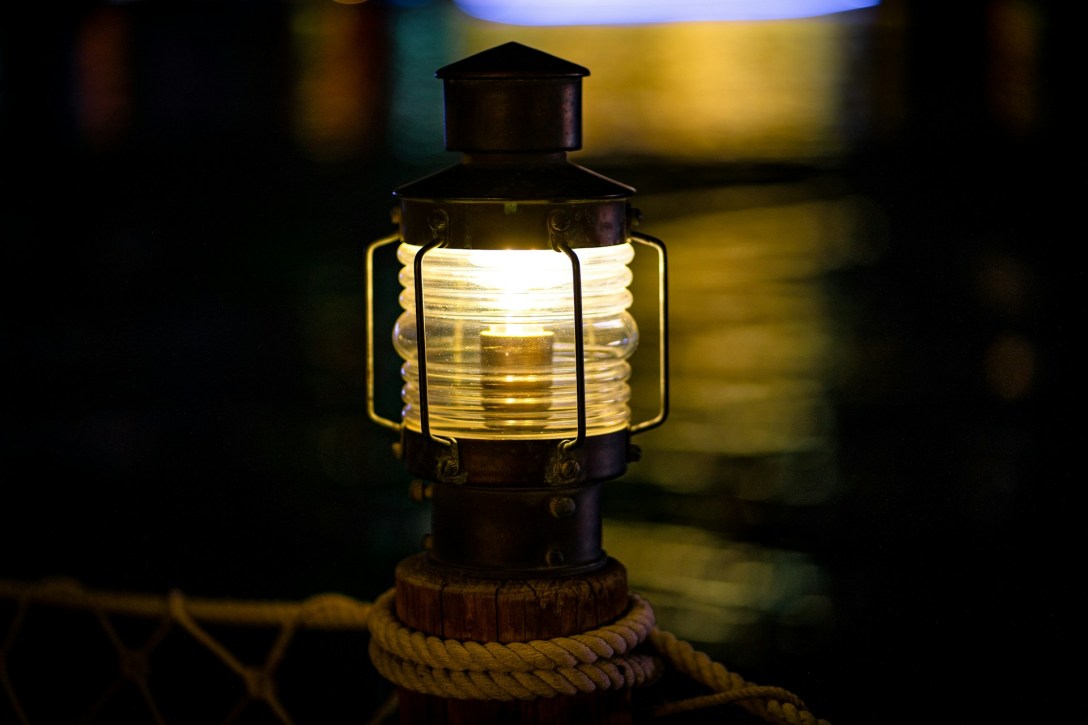
Light up Camp Nights Without Stress
Short fall days can make family camping feel a little wild. One minute the kids are tossing a ball, the next the sun drops behind the trees and everybody is stumbling around looking for a flashlight that somehow walked away. On cold November evenings, you are trying to cook, keep kids warm and get the tent sorted, all while the dark creeps in fast.
A simple lantern setup plan takes a lot of that stress away. When you know exactly where each light goes, how it is powered, and when it needs a recharge, you get fewer tripping hazards, calmer bedtime routines, and less arguing over who moved what. In this guide, we will walk through kid-safe placement, backup power with AA batteries and USB, and a simple charging routine so your rechargeable LED lanterns keep glowing all trip long.
Choosing the Right Family Lanterns for Fall Trips
Not all lanterns feel good on a cold fall night. For family camping, the first thing to look at is the light itself. Many people like a warm color for the tent and sitting area because it feels cozy and gentle on tired eyes, then a cooler, brighter setting for cooking and cleanup.
Helpful features for a family-friendly, rechargeable LED lantern include:
- Adjustable brightness levels for tent, table, and bathroom runs
- Impact-resistant housing that can handle kid drops
- A stable base plus a hook or handle for hanging
- Weather resistance for damp, chilly evenings
It often works best to pack a small “team” of lanterns instead of one big one. A simple setup might include:
- One larger area lantern for the picnic table and cooking area
- One compact, nightlight-style lantern that lives in the tent
- Personal clip-on or keychain-size lights for each kid
For multi-night stays, pro-grade rechargeable lanterns are usually a better fit than single-use battery models. You get steady light every night without hauling a big bag of throwaway batteries. Hybrid power is especially helpful. A lantern that runs from a USB port or a pack of AA batteries gives you options if the temperature drops or a power bank runs low. High-capacity rechargeable AA cells, like the Powerex batteries we sell at Maha Energy, pair really well with this kind of setup and keep runtime consistent across the trip.
Kid-Safe Lantern Placement Around Camp
Once you have the right lights, placement is what keeps camp safe and calm. We like to think in “light zones” so kids always know where to walk after dark.
A simple zone plan:
- Zone 1: The cooking and eating area, lit by your brightest area lantern
- Zone 2: The tent entrance, with a medium lantern marking the “home base”
- Zone 3: The handwashing and toothbrushing area, with a small lantern or clip light
Try to hang or place lanterns above eye level to cut down glare and squinting. This also spreads the light more evenly, so you do not get harsh shadows that hide tent lines, rocks, or roots. Keep lanterns well away from stove flames, hot cookware, and any cleaning liquids. If a lantern has a cord or a charging cable, make sure it is not crossing a main walking path where little feet can snag it.
In the tent, comfort is more important than brightness. Use the lowest lumen setting or a diffused mode for story time and quiet play. Set the lantern toward the center of the tent roof or at the foot of sleeping pads so light is not shining right into anyone’s face. A simple rule that many families like is “lantern off, headlamp on” whenever someone leaves the tent. That way the tent stays peaceful and you do not waste battery by leaving big lights running.
Backup Power Game Plan for AA and USB
A smart backup plan starts with knowing how much light you actually need. Before the trip, think through:
- How many nights you will be out
- Roughly how many hours each lantern will run per night
- Which ones use AA batteries and which charge over USB
You can keep this very simple. For each lantern or headlamp that takes AA batteries, count one full set of charged cells for normal use, then at least one extra set as backup. For USB-powered lanterns and phones, choose a power bank with enough capacity to recharge your main lights at least once during the trip.
A layered backup system might look like this:
- Primary: Fully charged high-capacity rechargeable AA batteries in each lantern
- Secondary: A USB power bank for topping up lanterns, headlamps, and phones
- Emergency: A small pack of long-shelf-life disposable batteries sealed in a dry bag
Professional-grade rechargeable AA cells, like Powerex batteries from Maha Energy, are designed for high-demand gear. They offer strong, lab-tested capacity, which helps lanterns run brighter for longer. They also handle cold better than many low-end cells, which is helpful on chilly November nights. Since you recharge them trip after trip, you cut down on waste while keeping your lighting kit ready for the next outing.
Simple Charging Routine for Multi-Night Camps
A nightly charging habit is the secret to stress-free lighting. After dinner and dishes, while everyone is settling down, make it a quick family chore to gather every light and device in one place.
A simple routine could be:
- Turn off and collect lanterns, headlamps, and phones
- Swap any dim AA batteries into a smart charger
- Plug USB lanterns and power banks into your central charging hub
A smart charger matters because it treats each battery the way it needs. It helps prevent overcharging, which can shorten a battery’s life, and it works to bring each cell to its best capacity. When your rechargeable LED lantern is your main light source in camp, keeping those AA batteries healthy means fewer surprises when the sun goes down.
Cold weather needs a few extra habits. Whenever you can, charge during the warmer part of the day so your batteries and power bank do not start from a freezing temperature. At night, store charged batteries and power banks inside the tent, a jacket pocket, or even at the foot of your sleeping bag. Label batteries as sets for each lantern so you can grab the right pair or quartet by headlamp without guessing which ones are full.
Pack-and-Go Checklist for Worry-Free Camp Lighting
Before you toss gear into the car, run through a simple lighting checklist. Many families like to keep this on a note in their camp bin so it is ready every time.
Quick pack list:
- Main area lantern for cooking and hanging out
- Tent lantern on a low setting for bedtime
- Small light for bathroom and toothbrushing area
- Extra set or two of rechargeable AA batteries for each lantern or headlamp
- USB power bank for lanterns and phones
- Smart charger for AA cells
- Charging cords for every device
- Carabiners or hooks for hanging lights
- Dry bag or small box for spare batteries and cables
Before a big trip, it also helps to run a “mock camp night” at home. Turn off the main lights, set up your lanterns in the living room or backyard, and let them run like you would at camp. This quick test shows you how bright each setting feels, how long the light lasts, and how much time you need to recharge.
At Maha Energy, we care about making that whole plan simpler with reliable Powerex rechargeable batteries and smart chargers that support your favorite rechargeable LED lanterns. With a clear placement plan, a backup power strategy, and a steady charging routine, your family can enjoy every fall camp night with safe paths, calm kids, and plenty of light to share.
Light Up Every Adventure With Reliable, Long-Lasting Power
Explore how our rechargeable LED lantern can give you dependable light whether you are camping, preparing for outages, or upgrading your emergency kit. At Maha Energy, we focus on durable, efficient lighting solutions so you can spend less time worrying about batteries and more time doing what matters. If you have questions about choosing the right lantern or power setup, contact us and we will help you find the best fit.

