
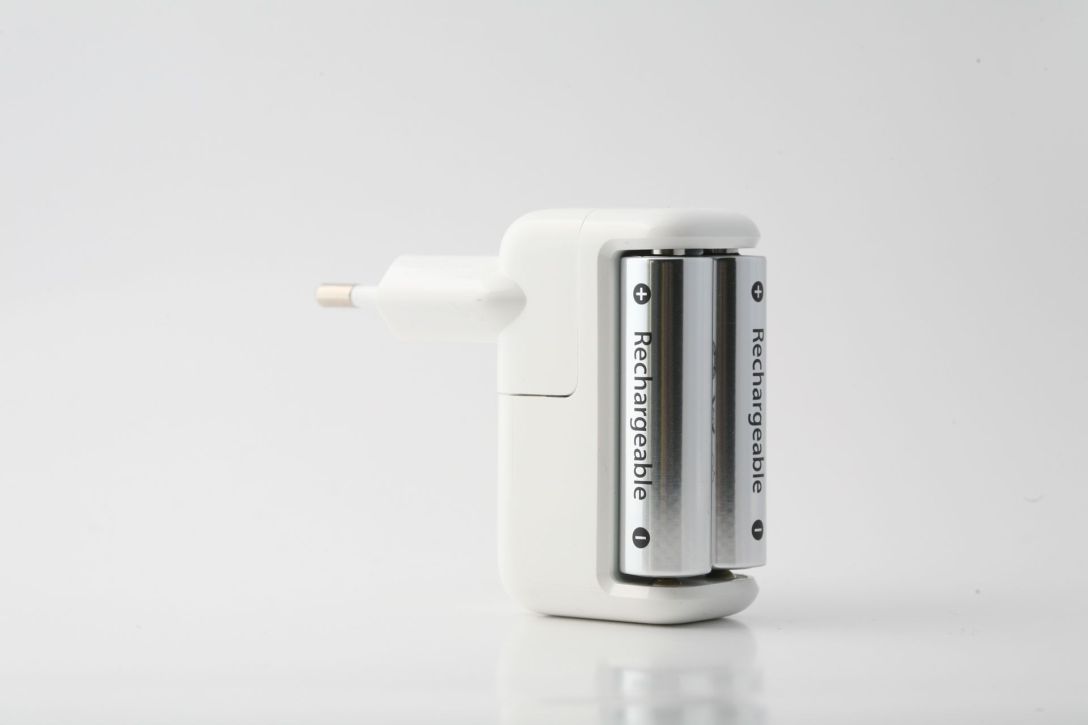
Power Your Summer Adventures Without Disposable Waste
Reliable power can make or break a camping trip. When the sun goes down, you count on headlamps, lanterns, GPS units, and little things like fans or radios to keep everyone safe and comfortable. If those batteries die halfway through the weekend, the fun fades fast.
That is why many campers are asking a simple question: should we stick with disposable alkaline batteries, or switch our camping gear to NiMH rechargeable AA batteries? At Maha Energy, we focus on high-performance Powerex rechargeables and smart chargers for people who push their gear hard, like photographers, first responders, and outdoor pros. In this article, we will walk through how NiMH batteries behave outdoors, how they compare to alkalines in real camping gear, what to expect in cooler nights, and how to build a simple, dependable rechargeable setup for your late summer and early fall trips.
How NiMH Rechargeable AA Batteries Perform Outdoors
NiMH rechargeable AA batteries are built for real work. In camping use, the big difference you will feel is how they hold voltage under load. High-drain devices like LED headlamps, bright flashlights, GPS units, and camera flashes pull a lot of power at once. Alkalines tend to start strong, then the voltage drops and your light gets dimmer and dimmer. NiMH cells keep a more stable voltage, so your beam usually stays brighter and more even during the life of the charge.
On paper, you might see similar capacity numbers between alkalines and NiMH. Out on the trail, it often feels different. With steady, repeated use, NiMH rechargeables usually keep your gear running at a more consistent level, instead of slowly fading to a weak glow. That is why people who use strong LED lights for long nights often prefer NiMH.
Self-discharge used to be a concern with older rechargeable batteries, because they lost charge sitting in a drawer. Modern low-self-discharge NiMH cells are much better. When you pre-charge them before a weekend or week-long trip, they hold that power well enough that you can toss spares in your pack and trust them.
Some simple habits help keep them dependable:
- Charge all your sets a day or two before leaving
- Store them in a small case to prevent short circuits
- Top them off again if a trip gets delayed a week or two
NiMH vs. Alkaline for Key Camping Gear
Not all camping gear pulls power the same way, so it helps to think in three groups.
High-drain gear, like:
- LED headlamps on high
- Powerful flashlights
- Bright camping lanterns
- Bike lights for night rides
These are perfect for NiMH rechargeable AA batteries. They draw a lot of current, and NiMH chemistry handles that load smoothly. You tend to get a steadier, brighter beam for more of the night, instead of a quick fade.
Medium-drain gear, such as:
- GPS units
- Two-way radios and walkie-talkies
- Small battery-powered fans
- Portable speakers
These also pair very well with NiMH, especially when you use them every day on the trip. The rechargeables can handle many charge cycles, so you can run, recharge, and repeat across many weekends.
Low-drain gear, for example:
- Simple flashlights that are rarely used
- Clocks or small thermometers
- Some remote sensors or emergency-only lights
Here, alkalines or lithium disposables can still make sense, especially if the item sits untouched for a long time. They are also handy in emergency-only kits that may sit for months.
A smart strategy many campers use is a hybrid plan:
- NiMH for daily-use lights, radios, GPS, and fans
- A small pack of alkaline or lithium disposables as backup in emergency or rarely used gear
That way, you get the comfort of reusable power plus the peace of mind of a simple backup.
Cold Nights, Long Trips, and Off-Grid Charging
Late summer and early fall often bring warm days and cooler nights, especially up in the mountains. Modern NiMH rechargeable AA batteries handle moderate cold quite well, but like any battery, they lose some strength when temperatures drop.
You can protect your power with a few easy tricks:
- Keep spare batteries in a pocket close to your body
- Stash a set in your sleeping bag at night
- Avoid leaving gear and loose batteries out in open, cold air
Trip length also shapes your plan. For a long weekend car camping trip, you might bring two or three full sets of charged NiMH batteries and be done. For a week-long backcountry trek, carrying a charger can be a better idea than hauling a big pile of disposables.
Off-grid charging is simpler now because many smart chargers run from USB. That means you can plug into:
- A power bank you already carry for your phone
- A small solar panel at camp
- A car USB port during road-based trips
With NiMH and a USB-powered smart charger, you can loop your power supply day after day without needing wall outlets.
Safety, Sustainability, and Total Trip Cost
Outdoors, safety always comes first. NiMH rechargeable AA batteries have a friendly safety profile compared to some other chemistries. Still, good habits matter. Use quality, name brand cells, not cheap unknown ones. Pair them with a smart charger that is designed to prevent overcharging and overheating.
For storage, keep batteries in a case, not loose in your pack. Do not mix old and new cells in the same device. If a battery gets damaged, recycle it instead of trying to squeeze more life out of it.
For people who care about nature, fewer throwaway batteries is a big win. Recharging instead of tossing cuts down on what you carry in and out of camp. A good set of NiMH cells can handle many charge cycles when treated well, so they serve across camping trips and regular home use.
Over time, this can also help with total trip costs. You buy quality rechargeables and a smart charger once, then use them for many weekends, family car camping trips, and year-round gadgets. That can feel a lot better than grabbing new disposable packs again and again every time you plan a hike.
Build Your Rechargeable Camping Power Kit Now
Putting together a simple rechargeable kit is easier than it sounds. Start by listing what actually runs on AA batteries: headlamps, lanterns, GPS, radios, fans, and any backup lights. Then plan enough NiMH cells so you can run each device and still have at least one spare set.
A basic checklist:
- Choose high-quality NiMH rechargeable AA batteries
- Pick a smart charger, ideally one that runs from USB
- Label sets with a marker or small stickers
- Keep pairs or groups together so you always swap full sets
- Charge everything fully a day before you leave
For a solo camper, one charger and 8 to 12 AA cells often covers lights, a radio, and a small fan. For a couple, you might step up to 12 to 16 cells to support two sets of headlamps and shared gear. A family car camping setup can benefit from even more, since kids tend to leave lights on and run lanterns longer.
At Maha Energy, we design Powerex NiMH rechargeable AA batteries, smart chargers, and accessories for people who want dependable power in the field, not just on a desk. By shifting your key camping devices to NiMH before late-summer and fall trips, you can cut down on waste, worry less about fading beams, and enjoy nights outdoors with a power plan that actually fits how you camp.
Power Your Devices With Reliable, Long-Lasting Energy
Upgrade to high-performance NiMH rechargeable AA batteries and get more runtime, consistency, and value from every charge. At Maha Energy, we engineer our batteries to deliver dependable power for everyday devices, photography gear, and professional equipment. If you have questions about choosing the right batteries for your setup, you can contact us for personalized guidance.

